
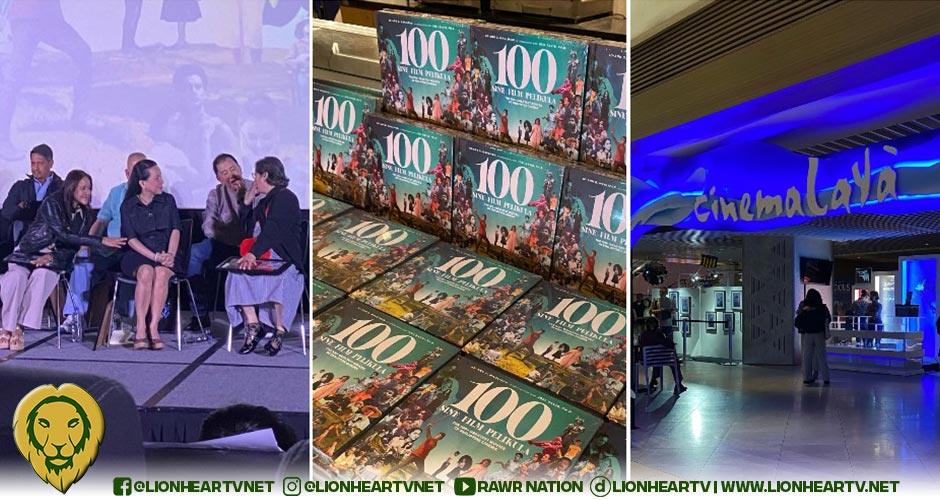

For anyone who has grown up watching Filipino movies, the names, characters, and scenes celebrated at PEP Spotlight: Sine • Film • Pelikula felt instantly familiar.
The gathering brought together actors, filmmakers, producers, writers, industry veterans, and cinema enthusiasts for the launch of The 100+ Greatest Movies of Philippine Cinema—a book that pays tribute to the films that have entertained audiences while becoming part of the country’s cultural memory.

Rather than feeling like a conventional book launch, the event unfolded like a reunion of Philippine cinema’s past and present.
At the heart of the event was The 100+ Greatest Movies of Philippine Cinema, which places some of the country’s most notable films in one collection.
The book became more than a featured publication during the celebration. It served as a reminder of how Filipino cinema has evolved through different eras, genres, performers, and filmmaking styles.
For movie lovers, flipping through the stories represented in the collection is an invitation to revisit films that may have been watched years ago—or discover titles that belong to an earlier generation.
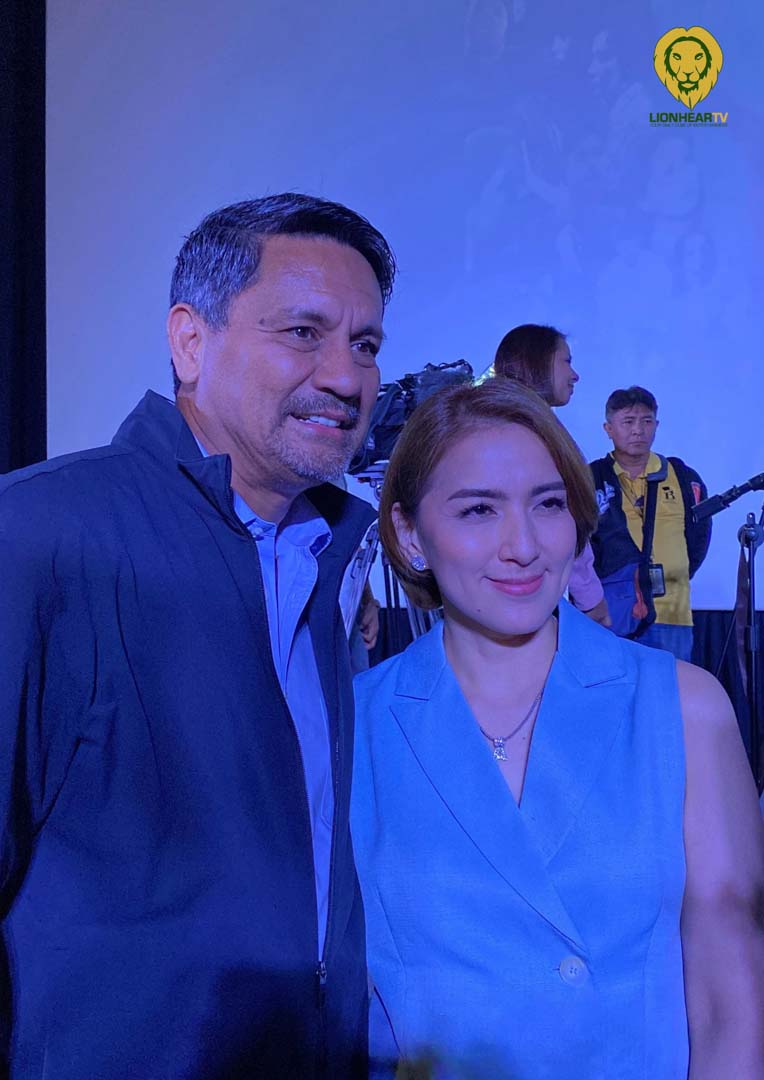
The gathering also emphasized that the history of Philippine cinema is not made up of films alone. It is built around the people who imagined them, created them, performed in them, and brought them to audiences.
That idea took center stage during the Kudos Ceremony, where distinguished figures from the industry were recognized for their contributions to Philippine cinema.
Among the personalities celebrated were Dr. Joel David, Joey Reyes, Grace Poe, Charo Santos-Concio, Richard Gomez, Gerald Anderson, Tirso Cruz III, Gina Alajar, Amy Austria, Ara Mina, and Phillip Salvador, together with other acclaimed filmmakers and producers.
The commemorative plaques, designed in the style of book pages, made the recognition particularly fitting.
Each honoree became, in a sense, another page in the larger story of Filipino film.
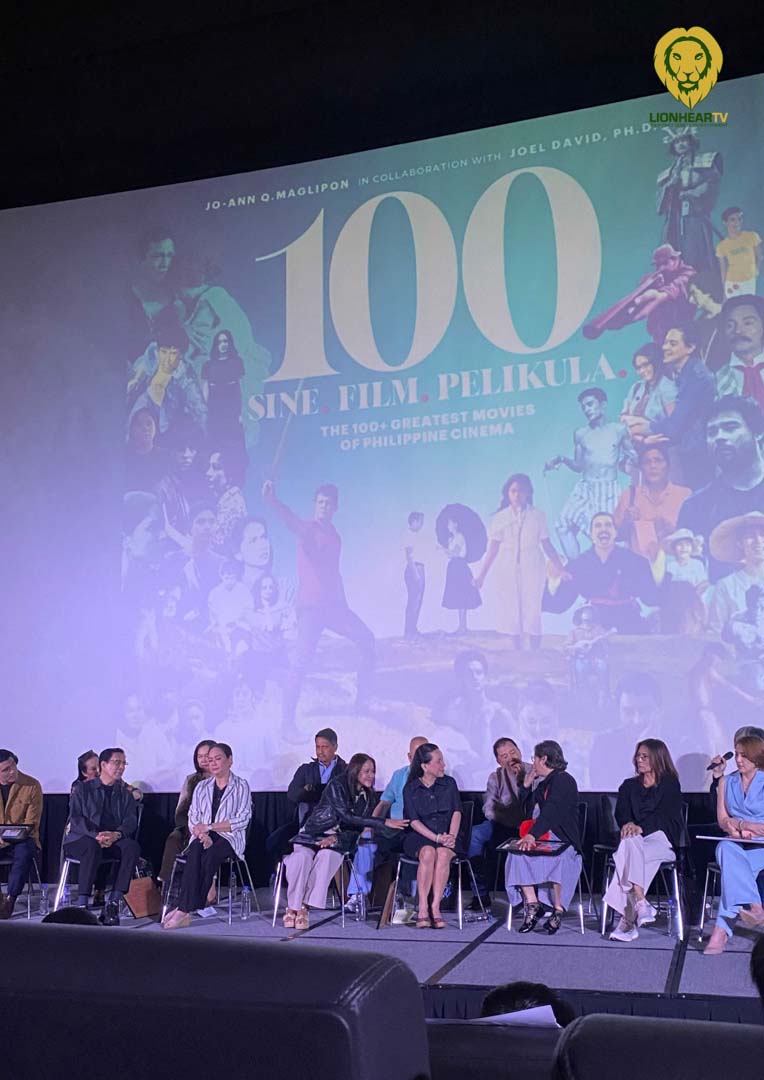
The ceremony also created a rare opportunity to see personalities from different generations sharing the same space—veterans whose careers helped shape the industry alongside artists continuing to contribute to its present chapter.
The conversation became even more engaging during the Live Forum with Cinema Icons, moderated by Jo-Ann Q. Maglipon.
The forum moved beyond the usual discussion of box-office numbers or film releases and opened the floor to personal experiences from people who have lived through the industry.
Stories about filmmaking, collaborations, careers, and the experiences behind celebrated movies gave audiences another way of looking at films they already know.
A movie may only take a few hours to watch, but the process of creating it can involve years of preparation, countless people, unexpected challenges, and relationships that continue long after production ends.
The forum gave audiences a glimpse into that side of cinema.
The celebration also brought out the competitive side of the audience through the PEP Pop Quiz.
The activity tested guests on their knowledge of Filipino movies, from iconic characters and memorable scenes to cinema trivia that longtime movie fans would instantly recognize.
The playful portion of the event added a lighter atmosphere to the program while proving just how deeply movies are embedded in Filipino pop culture.

Certain scenes become family references. Characters become household names. Lines from movies become part of everyday conversations.
That familiarity is part of what makes Philippine cinema so enduring.
Perhaps the most striking aspect of the event was seeing different generations of the Philippine film industry represented in one celebration.
There were established names whose work has already become part of cinema history, as well as younger personalities who represent the industry’s continuing evolution.
That mix made the event feel less like a look backward and more like a conversation between generations.

The films celebrated in the book may come from different periods, but the passion for storytelling remains the common thread.
Ultimately, PEP Spotlight: Sine • Film • Pelikula showed that preserving Philippine cinema is about more than remembering old movies.
It is about remembering the people, creative decisions, performances, friendships, struggles, and moments that made those movies possible.
The 100+ Greatest Movies of Philippine Cinema gives those stories a tangible home, allowing longtime film enthusiasts to revisit pieces of their cinematic memories while allowing younger audiences to discover the films that helped shape Filipino culture.

The event was therefore not simply a celebration of a new book. It was a celebration of the country’s relationship with movies.
Because Filipino cinema has always been more than what happens inside a theater. It captures family memories, reflects social realities, introduces unforgettable characters, and gives generations of Filipinos stories they can call their own. (with reports from Princess Bariquet)
