
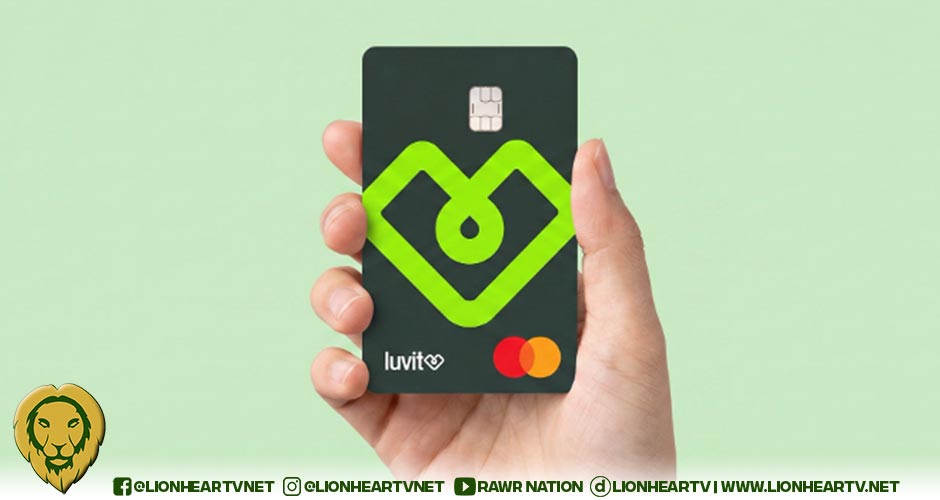

The preview and unveiling of the Luvit Mastercard felt less like attending a traditional financial launch and more like stepping into a demonstration of how everyday spending is about to change for a new generation of Filipinos.

Held in Manila ahead of its official May 11, 2026, launch, the event introduced a product that immediately positioned itself as fast, mobile-first, and built around real consumer behavior rather than traditional banking processes.
At the center of the launch was the collaboration between JuanHand and FinVolution Group, unveiling the Luvit Mastercard as a fully digital credit solution designed to simplify access to financing for everyday users.
From the moment the presentation began, the tone inside the venue was clear: this was not about complicated banking systems—it was about speed, accessibility, and usability in real-life situations.

One of the most attention-grabbing moments came when the approval process was demonstrated live. Watching the system process applications in as fast as 90 seconds, using just one valid ID, immediately shifted the perception of what credit onboarding could look like. Instead of long queues, paperwork, and waiting periods, the experience was framed as almost instant access.
@lionheartv Luvit, a revolutionary financial solution designed to empower every Filipino. Combining seamless digital access with a user-centric interface, Luvit redefines modern banking by prioritizing financial inclusion and security. Experience a smarter, faster way to manage your future—today. #LuvItLaunch #LiveItLuvIt #LuvIt #LionHearTV #RawrNation ♬ original sound – LIONHEARTV
Inside the room, that single feature sparked visible reactions. Many attendees quietly compared it to traditional credit card applications, where approvals can take days or even weeks.
The Luvit Mastercard was also introduced with credit limits of up to ₱200,000, alongside both physical and virtual card options. The dual-format approach stood out because it reflected how consumers now switch seamlessly between online and in-store transactions.
As the demonstration continued, one of the strongest highlights was the breakdown of its 40-day interest-free feature and flexible installment terms of up to six months. Instead of presenting credit as a rigid system, the product was framed around adaptability—allowing users to manage payments based on their actual cash flow rather than fixed financial cycles.
Throughout the event, representatives emphasized that the product is built for a digital-first generation that values convenience, speed, and control over its financial tools.
The introduction of the Luvit Mastercard by JuanHand and FinVolution Group also highlighted a broader shift happening in financial services: credit is no longer being positioned as something exclusive or intimidating but as a practical tool integrated into daily life.

What made the launch particularly engaging was how the product was presented not just through slides or technical explanations but through real-life scenarios—online purchases, emergency expenses, travel bookings, and everyday spending situations that most people can easily relate to.
As the demonstration wrapped up, the conversation inside the venue shifted toward one central idea: credit, when designed for real users, should feel seamless rather than stressful. (with reports from Aldrine Benitez)