
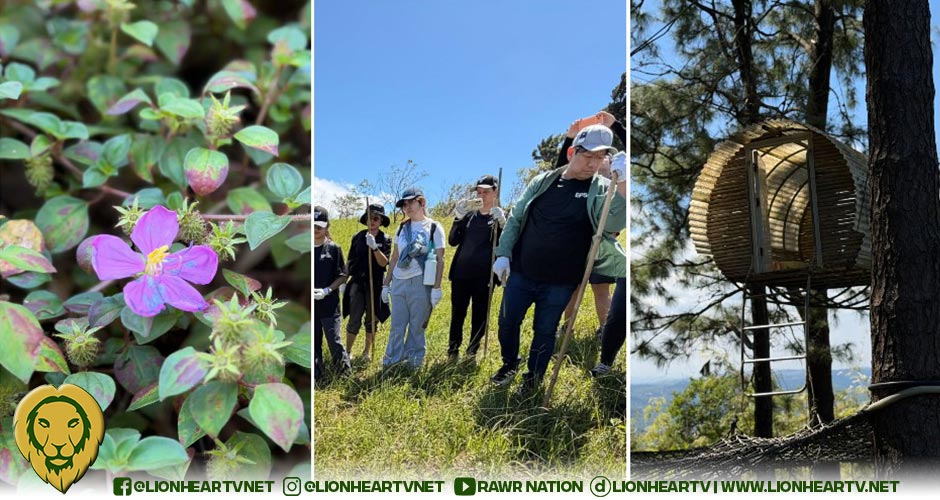

Honestly, it’s only this year that I started joining fun runs. Recently, I’ve been doing walk-runs around our neighborhood at least twice a week, usually covering about 5,000 to 10,000 steps each time I head out. So when I received an invitation from Epson Philippines to visit Masungi Georeserve, I immediately said yes. In my mind, I thought, kaya ko na ‘to. After all, I’ve been handling 5K runs lately.
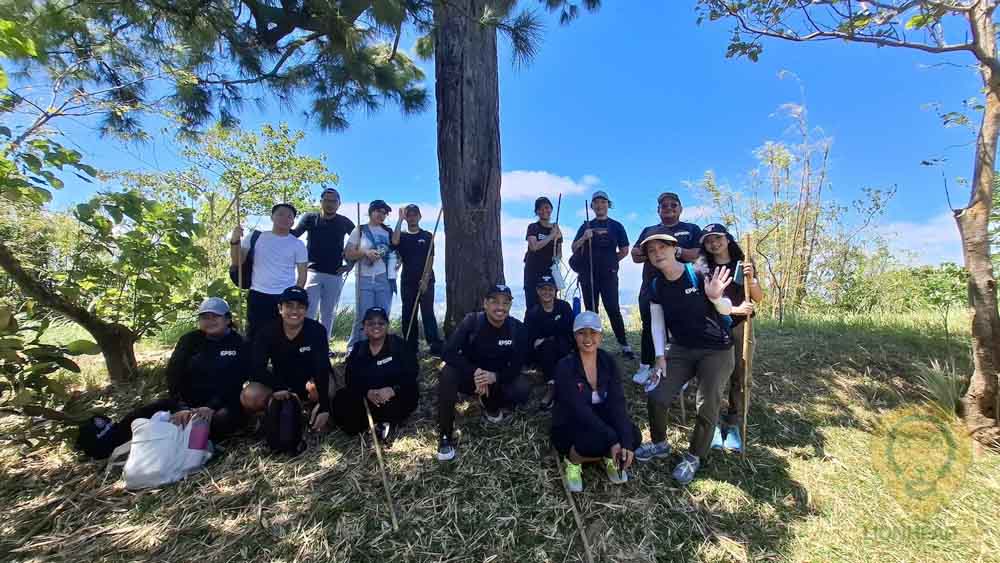
When the day arrived, I came fully prepared—running shoes, shorts, and all. Epson also provided participants with special shirts to wear during the hike along The Legacy Trail, a route within Masungi Georeserve that is different from the reserve’s well-known attractions with rope climbs and the famous spider-web-like structures that are often seen on Instagram.
According to the organizers, the Legacy Trail involves about a 5-kilometer walk, which made me feel even more confident. What I didn’t realize was that this trail isn’t just a simple walk. The Legacy Trail offers a four- to six-hour journey through grasslands, including a 400-step rock-lined ascent that rewards hikers with sweeping views of the surrounding landscape.

Before starting the hike, we applied sunscreen courtesy of Belle Dolls to protect us from the intense sun. We were also given special caps from New Era. These weren’t just ordinary caps—they were crafted using REPREVE® recycled fiber, a material made by transforming post-consumer plastic into durable textile. By repurposing existing resources and reducing reliance on virgin materials, the caps reflected the same principle of responsible production highlighted throughout the day’s activities.
The day began with a steep climb under the hot sun. The winding paths and rocky terrain quickly reminded me that hiking a mountain is very different from running on flat roads. I was ready for the walk—but I wasn’t ready for the steps.
For someone like me who is plus-size, the difficulty level felt completely different. The climb tested my stamina and patience. There were moments when I had plenty of drama in my head while walking up the trail. I kept asking myself why I didn’t ask more questions before accepting the invite—especially when I could have sent someone else from our team.
But since I was already there, I told myself, pangatawanan na ‘yan.
Fortunately, I was part of the first batch of hikers, so even though the climb was tough, I had the motivation of knowing I wasn’t falling behind.
When we finally reached the designated site, the first thing that struck everyone was the view—wide open valleys and lush greenery stretching as far as the eye could see. It felt like the landscape itself was rewarding us for pushing through the challenging ascent.
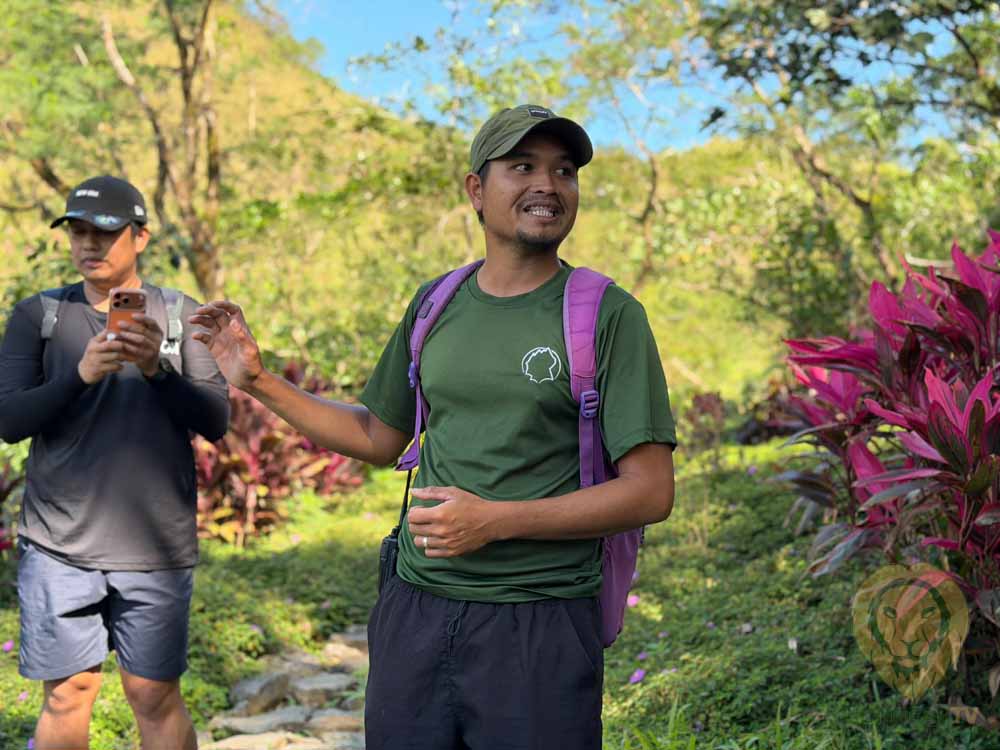
With guidance from Masungi staff, we learned about the area’s history. Parts of the landscape were once damaged by fires, deforestation, and years of neglect, and initiatives like this help restore native vegetation while strengthening the watershed.
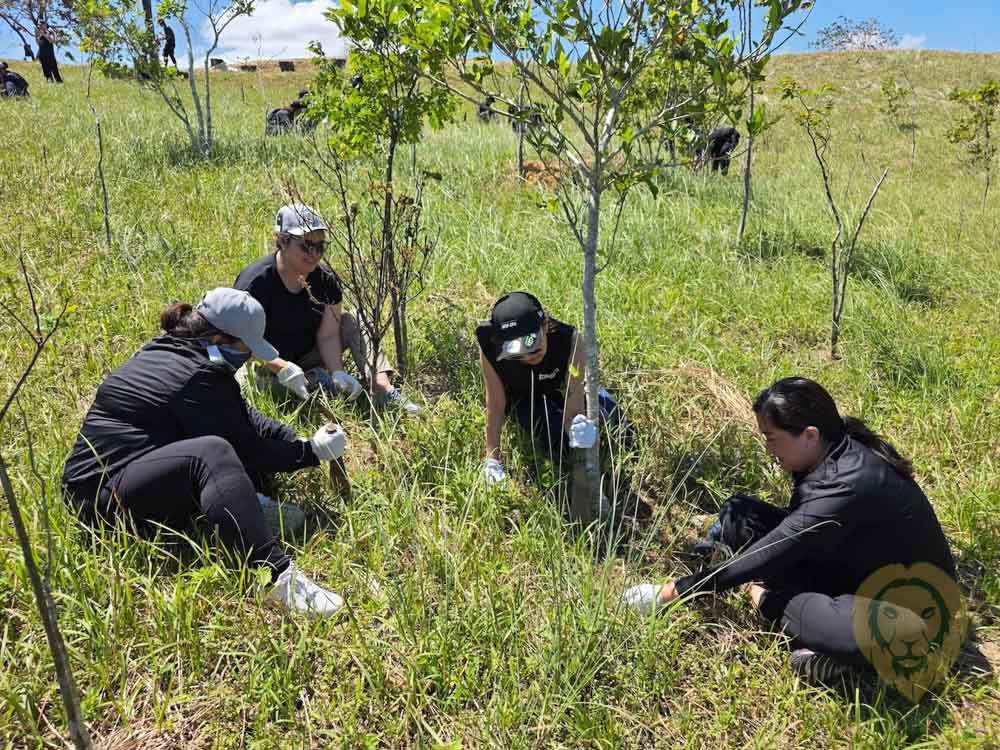
What made this visit different from the usual environmental activities I’ve joined before was the focus on tree nurturing.
Honestly, it was the first time I had heard of the term. Most environmental events I’ve attended revolve around tree planting. But this time, the trees had already been planted.
In my case, I was assigned a young narra tree. Instead of planting it, my task was to help it survive and grow stronger. Along with another media participant, we cleared invasive grass around the tree through mulching and weeding, ensuring that the plant wouldn’t have to compete for nutrients.
We also aerated the soil by loosening it with small tools to help the roots breathe and grow deeper. The grass we removed wasn’t wasted either—we placed it back around the base of the tree to act as natural compost and help retain moisture in the soil. This method improves humidity retention and significantly increases the tree’s survival rate.
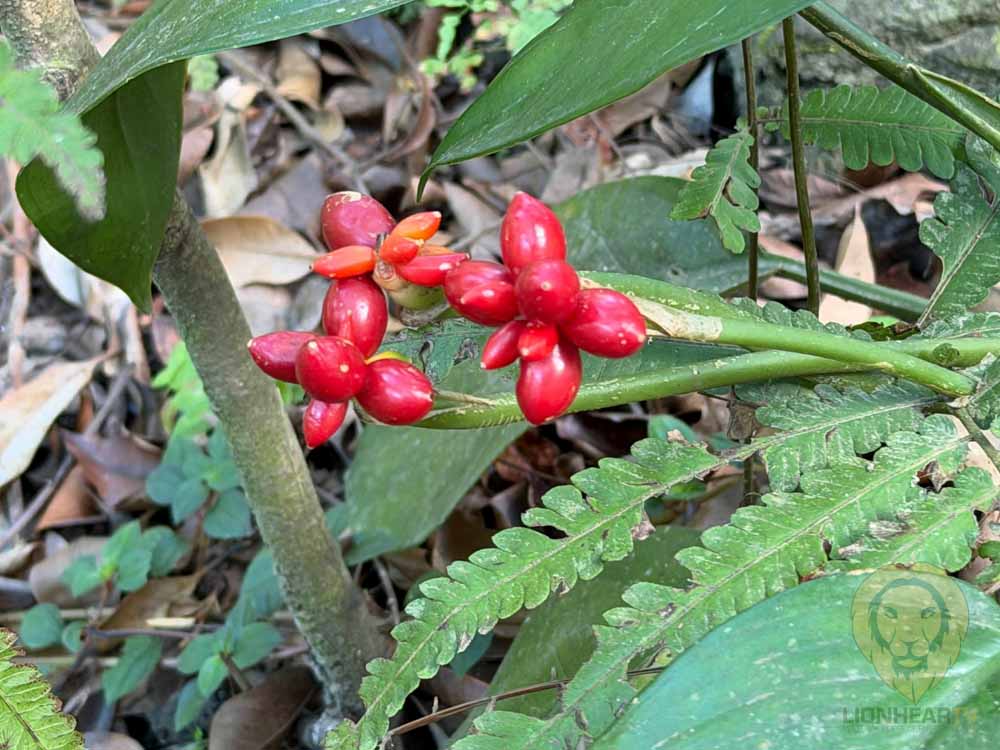
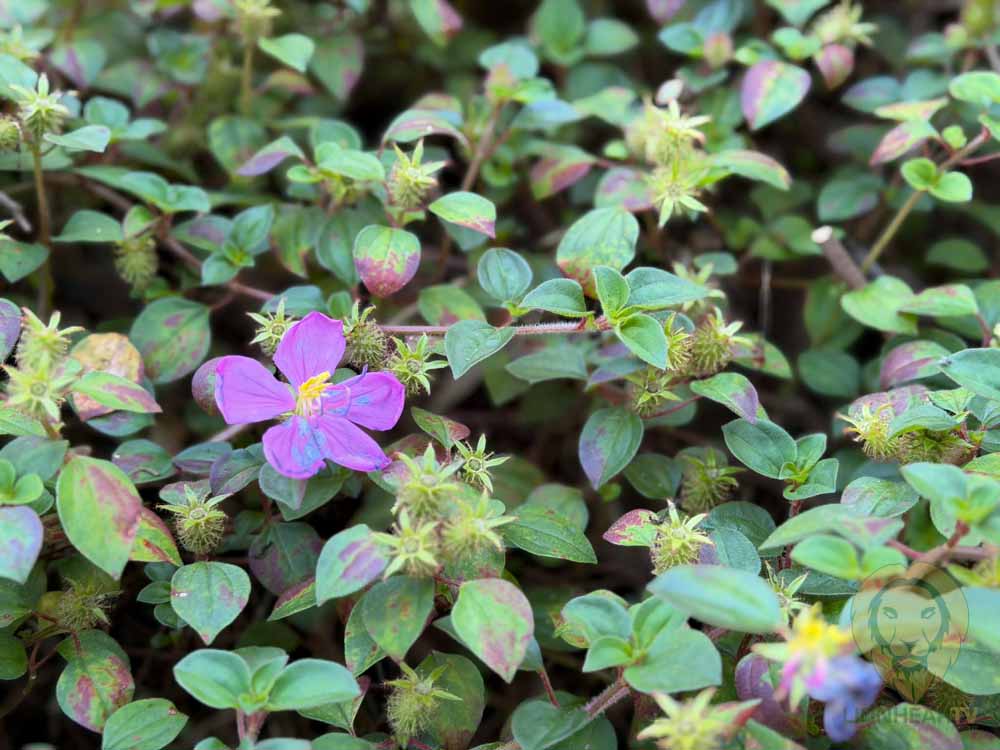
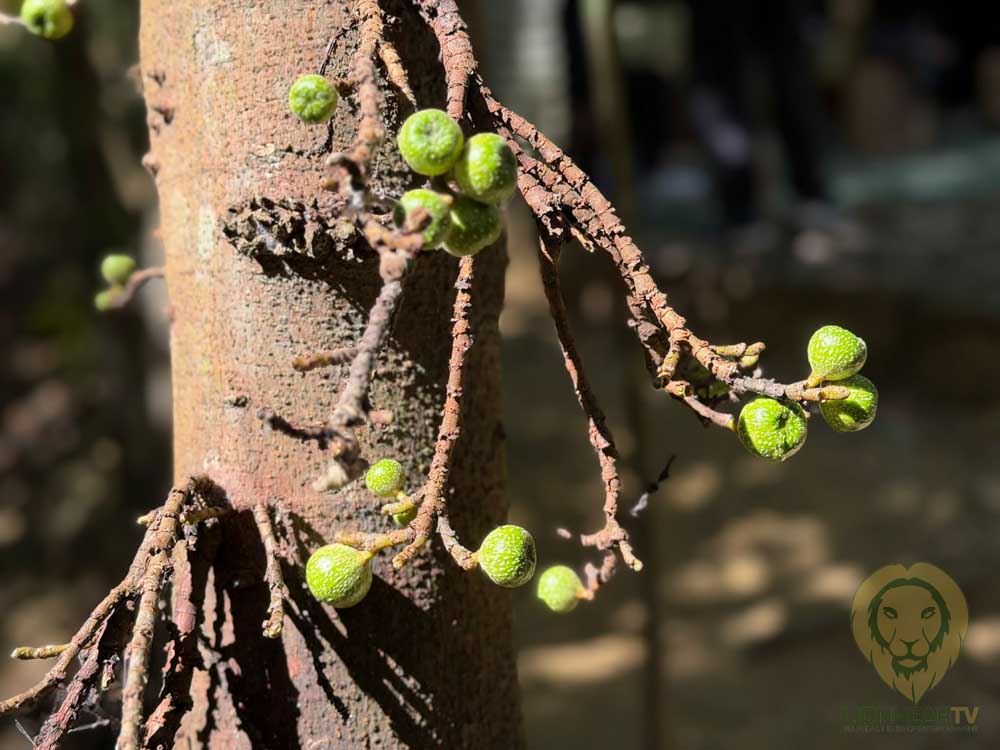
Throughout the hike—both on the way up and on the way down—our guide shared fascinating insights about the plants, birds, and wildlife that thrive in Masungi’s forest ecosystem.
During the ascent, I coped with the pain in my legs by turning everything into a joke. It had been more than a decade since the last time I climbed a mountain, so every aching muscle reminded me how long it had been.
But standing there at the top, looking out over the landscape, it suddenly felt worth it.
After completing the tree nurturing activity, we finally had lunch with fellow media members and the Epson Philippines team. The meal felt especially satisfying after the long hike.
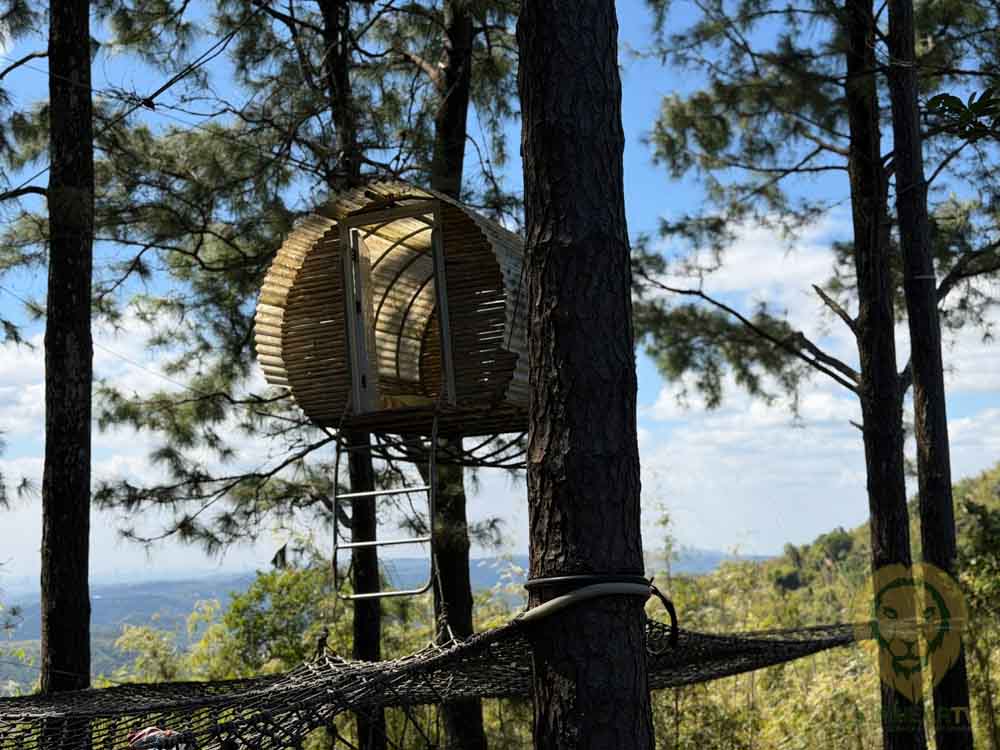
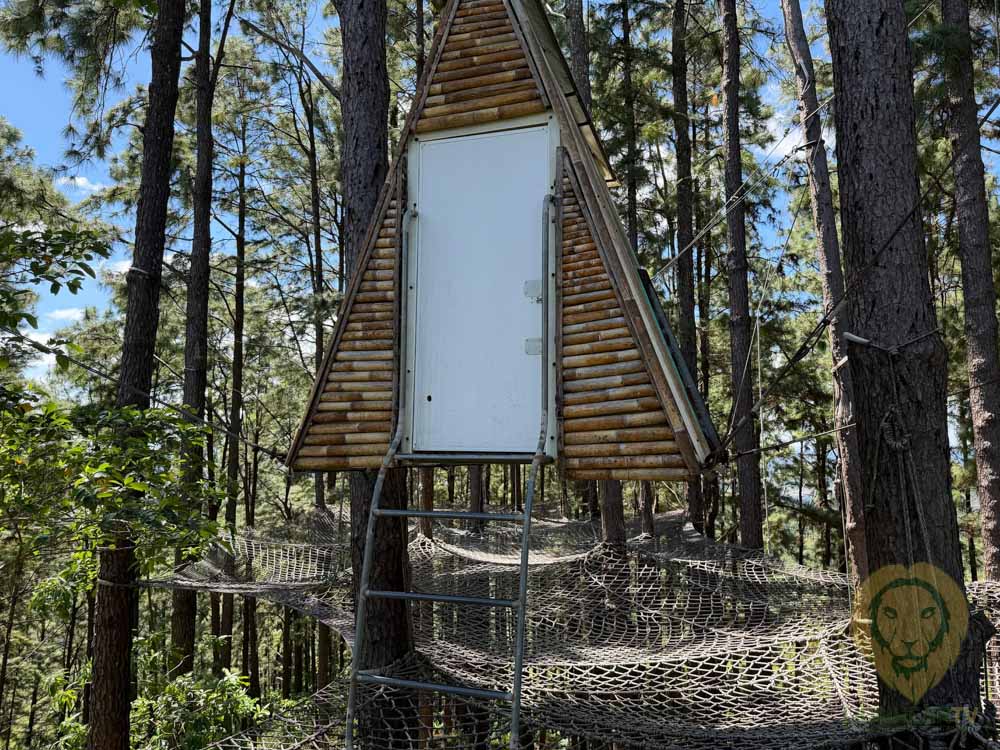
We spent some time resting afterward in the hammocks and shaded rest areas located at the top of the Legacy Trail—quiet spaces where you could simply lie back, breathe, and take in the surrounding forest.
By that point, the exhaustion had started to sink in—but so did the sense of accomplishment.
