
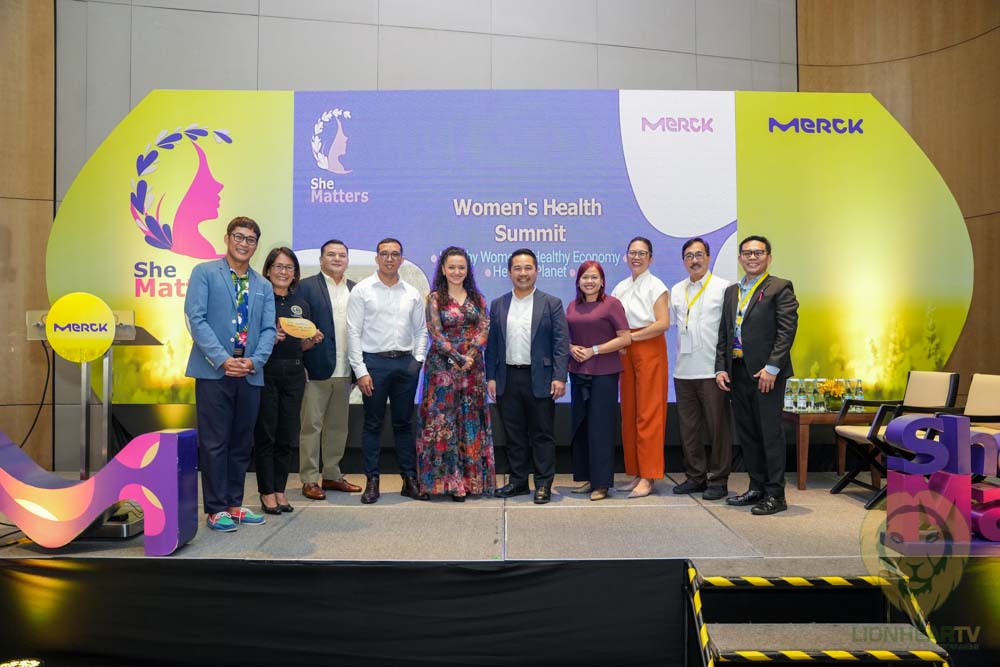
The ballroom at Conrad Manila carried an atmosphere of both celebration and purpose as the She Matters Women’s Health Summit opened on March 7, 2026, in time for International Women’s Day. What could have easily been another medical conference instead felt like a gathering built around a shared recognition—that conversations about women’s health need more space, more urgency, and more attention.
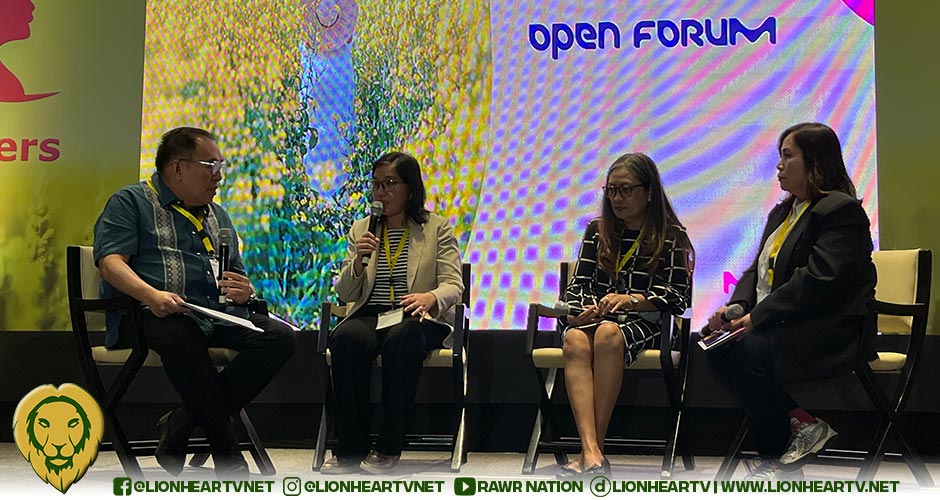
Long before the first discussion began, the event already gave off the energy of something thoughtfully designed. Outside the ballroom, interactive booths and photo spots welcomed guests arriving for the summit, adding warmth to a program centered on serious topics. Inside, attendees settled into their seats as the opening sessions began, with a sense of anticipation that came from knowing the day ahead would move beyond surface-level wellness conversations.
Across the summit, discussions tackled a range of issues affecting women at different stages of life, many of them topics not often given sustained public attention. Rather than treating women’s health as a narrow category, the conversations reflected how broad and interconnected it truly is.

One of the notable discussions explored the conversation around Polycystic Ovary Syndrome (PCOS), including calls to revisit how the condition is named and understood, highlighting how language itself can shape awareness and treatment. What emerged was not simply a medical discussion but a deeper conversation about how women’s conditions are framed and recognized.
Another session turned attention to plastics and endocrine-disrupting chemicals, examining how everyday exposures may affect long-term hormonal and reproductive health. It was the kind of topic many may not consider in day-to-day life, yet the discussion made clear how environmental factors increasingly belong in conversations about women’s wellness.
The summit also placed focus on thyroid disorders, emphasizing the need to prioritize conditions that can often go undetected or misunderstood, despite affecting quality of life in significant ways. Equally compelling were discussions on hypertension among women of reproductive age, drawing attention to health risks that are frequently overlooked until they become critical.
What tied these sessions together was not simply information, but relevance. The topics did not feel distant or overly clinical. They felt immediate, practical, and rooted in realities many women navigate, often without enough awareness or support.

Beyond sharing medical expertise, the event positioned knowledge as empowerment. The conversations repeatedly returned to prevention, early awareness, and the value of small but meaningful shifts in how women approach long-term health. There was a consistent reminder that wellness is often built through habits, choices, and informed action long before a diagnosis enters the picture.
Throughout the day, there was also a clear effort to make these discussions accessible. Even as experts spoke about complex health concerns, the tone remained grounded and practical, encouraging engagement rather than distance. Questions were welcomed, perspectives shared, and the atmosphere often felt closer to a community dialogue than a traditional conference.

That accessibility mattered, especially for an event tied to International Women’s Day.
Because the summit wasn’t simply celebrating women—it was advocating for a future in which women’s health is treated as a sustained priority.
That mission was woven through the event’s larger message: that prioritizing women’s well-being is not a personal afterthought but a societal concern.

In many ways, the summit challenged the tendency to treat health reactively. Instead, it emphasized prevention, awareness, and the value of looking at wellness holistically—through hormones, environment, cardiovascular health, and lifestyle choices, all interconnected rather than isolated.
As the summit continued across two days, gathering experts and advocates around a common purpose, one idea remained at the center of it all: healthier women lead stronger communities.
By the close of the opening day, the She Matters Women’s Health Summit had done more than deliver information. It created space for issues often overlooked to be spoken about with seriousness and care, while reminding those in attendance that wellness begins not only in treatment but also in awareness. (with reports from Cassiopeia Calamaya)