

The launch of “Ang Babae Sa Septic Tank 4: Oh Sh*t! It’s Live Sa Cheter!” at PETA Theater Center unfolded with the same unpredictable energy that has defined the franchise since its earliest days, immediately setting the tone for its bold transition from screen to live theater. Inside the venue, the atmosphere felt deliberately chaotic in the best way possible—filled with laughter, anticipation, and a shared awareness that the production was once again preparing to hold a mirror to Filipino culture, this time turning its focus toward the theater industry itself.
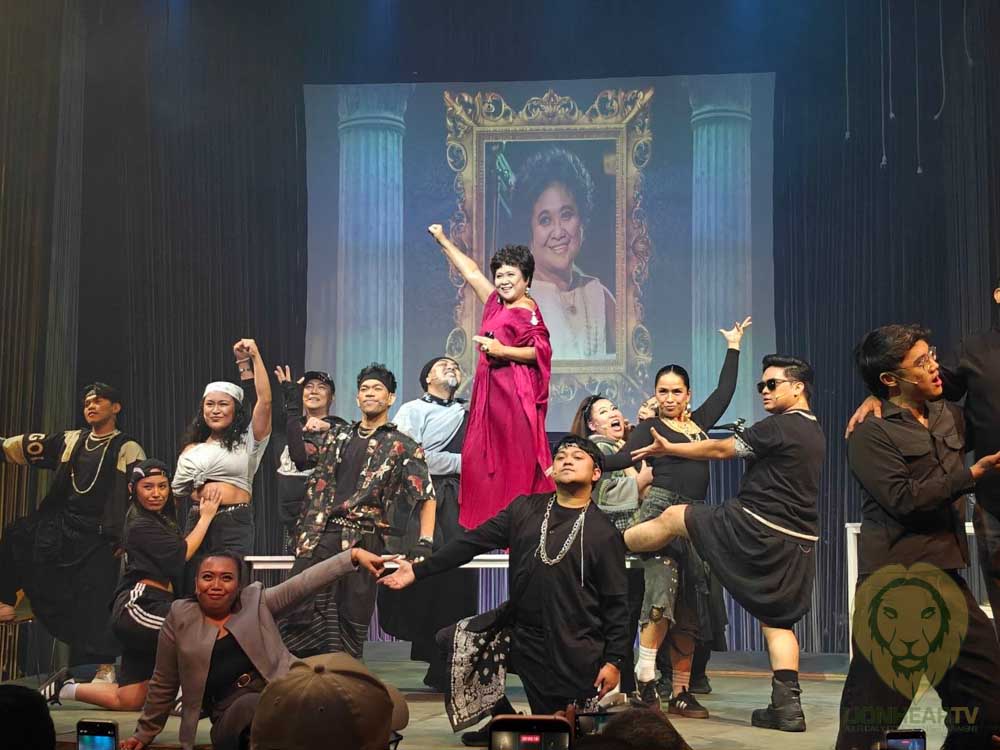
At the heart of the announcement was the return of Eugene Domingo, whose presence alone reignited excitement among longtime followers of the satire series. The production, guided by playwright Chris Martinez and director Maribel Legarda, continues the franchise’s tradition of dissecting institutions through comedy, following earlier installments that lampooned indie filmmaking, commercial cinema, and historical storytelling. This time, however, the lens is pointed directly at the Philippine theater—its growth, contradictions, and evolving identity amid what many now describe as a “golden age.”
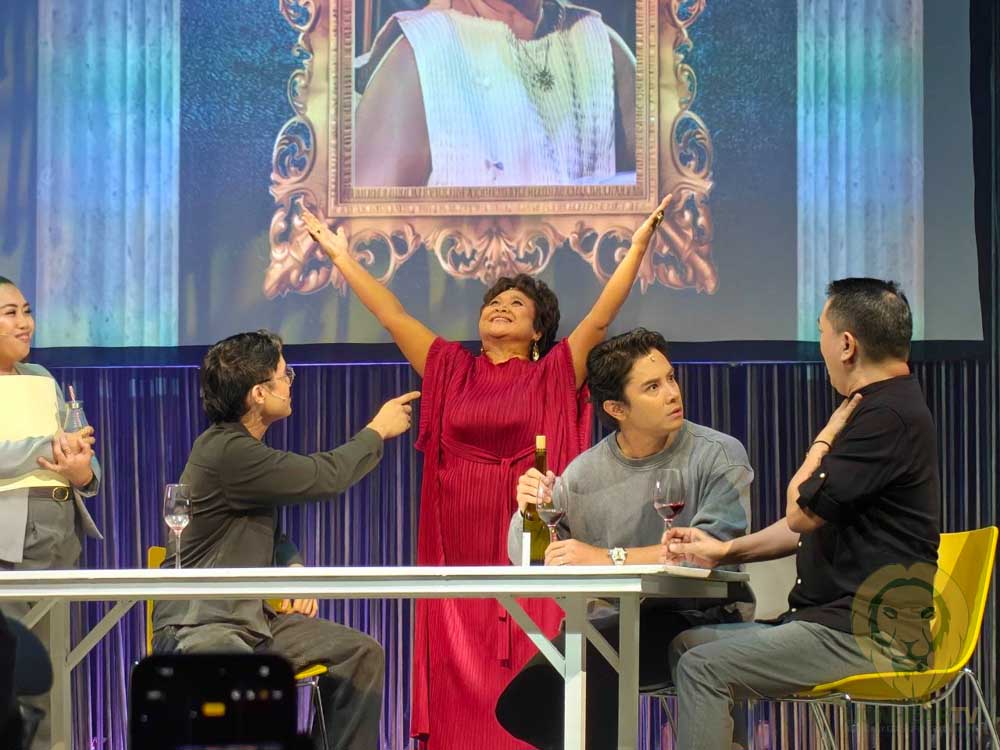
Throughout the launch, discussions highlighted how the franchise has consistently used satire not just for entertainment but as a form of critique. The creative team emphasized that theater, unlike film, exists in real time, where every performance carries risk and immediacy. That very unpredictability is woven into the structure of the production, which is designed as a “play within a play,” blurring the line between performance and reality as actors portray heightened versions of themselves navigating the chaos of staging a show.
The cast reveal added further weight to the anticipation, bringing together established theater and screen performers alongside a strong PETA ensemble. Their involvement signals a production that leans heavily into collaboration, with multiple creative voices shaping a narrative that is both self-aware and reflective of the industry it inhabits. Behind the scenes, a large creative team handles design, choreography, lighting, and multimedia elements, reinforcing the scale of the production as one of the company’s most ambitious undertakings to date.
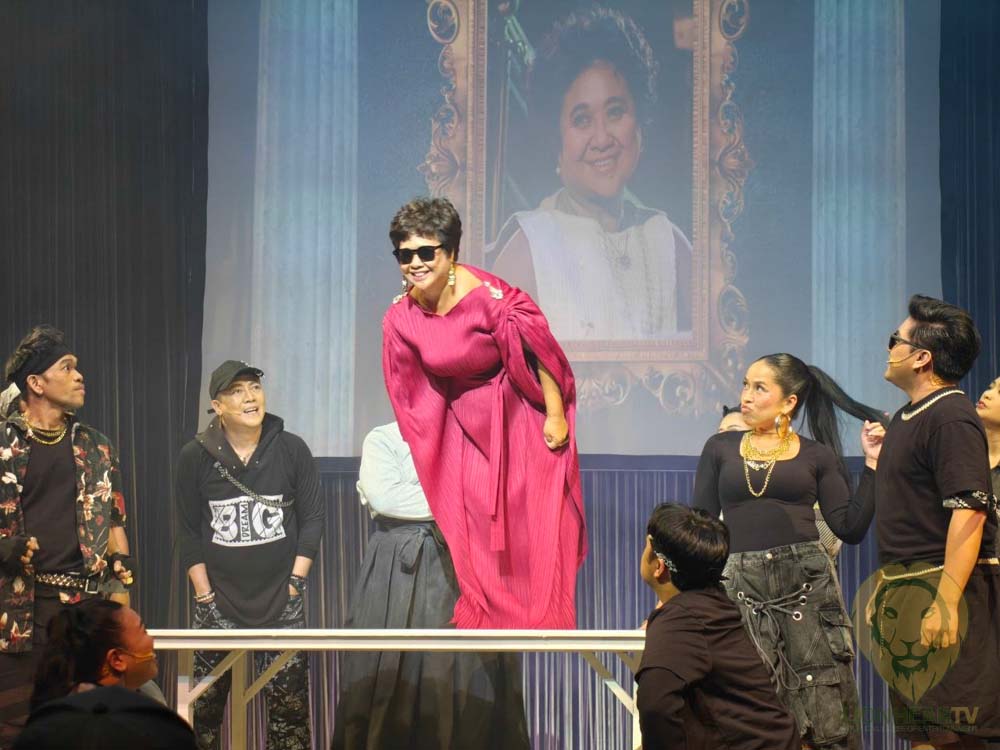
As details of its run from June to August 2026 were shared, the excitement inside the venue grew steadily, fueled by the realization that the franchise is not simply returning but evolving. What began as a film about filmmaking has now become a live exploration of performance itself, inviting audiences to laugh at the industry while also recognizing their own place within its ecosystem.
By the end of the launch, the conversation was no longer just about the return of a beloved satire. It had shifted toward a larger reflection on Philippine theater—how it continues to grow, question itself, and survive through reinvention. In true “Septic Tank” fashion, the production promises not only humor and spectacle but also discomfort, honesty, and a reminder that live theater remains one of the few spaces where chaos and truth can exist on the same stage. (with reports from Lau Balocos)