
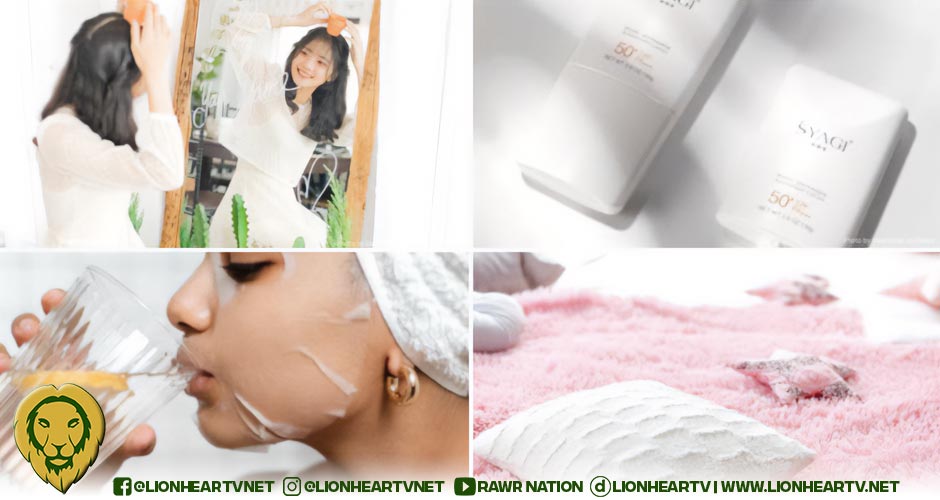

A radiant complexion doesn’t just give you a confidence boost; it also signifies overall health and vitality. Healthy, glowing skin is often the result of the daily choices you make related to skincare, nutrition, and lifestyle habits. The condition of your skin can reflect how well you care for your body and how consistently you maintain healthy habits over time.
As you go through different stages in life, your skin also experiences changes, and how you manage these shifts can influence its health and radiance. As such, skincare should be approached as a lifelong journey that evolves with age rather than a one-and-done process. Below, we explore several practical ways to help maintain a glowing complexion and support healthy skin at any age.
Maintain a Consistent Skincare Routine
A consistent skincare routine is the foundation of skin health. At the base of it all is cleansing, which helps remove dirt, oil, and impurities that accumulate throughout the day. When you let these substances remain on the skin for too long, they can clog pores and dull the complexion. Using a gentle cleanser suited to your skin type can help keep the skin clear while preserving its natural balance.
The next important step is moisturizing, which supports skin hydration and barrier protection. The skin barrier, or stratum corneum, functions as a protective layer that helps prevent moisture loss while shielding the skin from environmental stress. When this barrier remains strong, the skin appears smoother and more radiant. Establishing a skincare routine, with cleansing and moisturizing as the core, and following it daily can help the skin maintain its natural glow over time.
Support Skin Health Through Nutrition
Your diet can influence how the skin looks and functions. The body relies on nutrients to support cellular repair and maintain healthy tissue. When you follow balanced eating habits, your skin receives the nourishment it needs to maintain its natural appearance.
Vitamins A, C, and E, along with zinc and selenium are known to support skin health and contribute to overall skin vitality. These nutrients are abundant in whole foods, and especially fruits and vegetables like mango, papaya, and broccoli. Meanwhile, antioxidants like glutathione play a role in combating free radicals and detoxification. You might consider taking a glutathione supplement if you have difficulty maintaining consistency in your diet or simply don’t have regular access to antioxidant-rich foods. Over time, consistent nutrition can contribute to improved skin texture and a more vibrant complexion.
Protect the Skin From Sun Exposure
Sun exposure is one of the most significant factors that affect skin health as people age. Ultraviolet (UV) radiation can damage skin cells and gradually reduce skin elasticity. Repeated and prolonged exposure to UV radiations may contribute to uneven skin tone and visible signs of aging. Therefore, protecting the skin from the sun plays an important role in preserving a healthy complexion at any age.
Daily sun protection can help reduce the effects of long-term sun exposure. Dermatologists strongly recommend using sunscreen regularly when spending time outdoors. In addition, protective habits such as wearing hats or seeking shade can help reduce direct exposure. When practiced consistently, these simple steps can help maintain skin clarity and support a brighter complexion.
Stay Hydrated to Support Skin Balance
Hydration is critical for maintaining many functions within the body, including those that affect the skin. When the body receives enough water, it helps support healthy circulation and normal cellular processes. These processes contribute to the skin’s ability to maintain moisture and resilience. Meanwhile, when the body becomes dehydrated, the skin may appear dry or less vibrant.
Simply put, it’s important to maintain regular water intake to support the skin’s overall condition. While hydration alone cannot solve every skin concern, it plays an important role in supporting healthy body functions.
Prioritize Quality Sleep for Skin Renewal
In today’s fast-paced lifestyle, rest is often treated as a luxury, yet it plays a significant role in how the body repairs itself. During rest, particularly in deep sleep, the body undergoes processes that support recovery and tissue renewal. These processes also affect the skin, which continually renews and regenerates. When sleep is consistent and restorative, it can help support a healthier-looking complexion.
A lack of sleep, on the other hand, can affect circulation and skin appearance. Some individuals notice dullness or tired-looking skin after periods of insufficient rest. All in all, maintaining regular sleep patterns can help the body function more effectively. Over time, good sleep habits may contribute to clearer skin and a more refreshed appearance.
Adapt Skincare Habits as Skin Changes With Age
Skin needs often change over time. As you grow older, your skin may produce less natural moisture and may become more sensitive. These shifts can influence how it reacts to certain products or environmental factors. Paying attention to these changes can help you adjust your skincare routine in a way that supports long-term skin health.
Moreover, selecting products that match current skin needs can make a noticeable difference in maintaining radiance. Some people may benefit from richer moisturizers while others may prefer lighter formulations. You might also consider consulting a dermatologist who can help you better understand how your skin evolves with age.
Maintaining a healthy complexion through different stages of life requires consistency and thoughtful lifestyle choices. Beyond following a regular skincare routine, nutrition, hydration, and rest also play a key role in keeping your skin radiant at any age. With proactive care through protective habits and professional guidance, you can achieve a glow that radiates from the inside out.
