
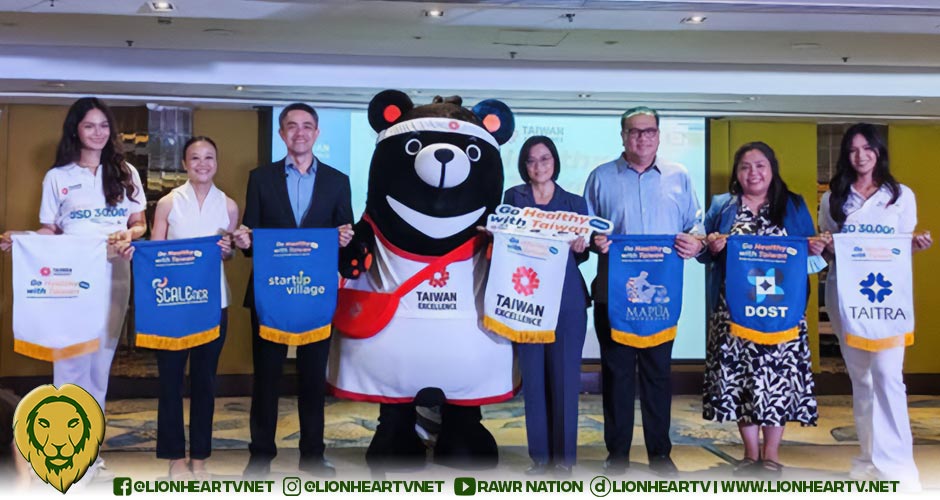
What if one idea could improve healthcare for thousands—or even millions—of people?
That question became the driving force behind the launch of Go Healthy with Taiwan 2026, held at The Bayleaf Hotel Manila on June 22. Bringing together leaders from government, academia, startups, and the innovation sector, the event introduced a global competition designed to encourage creative minds to develop solutions that can address today’s most pressing healthcare and wellness challenges.
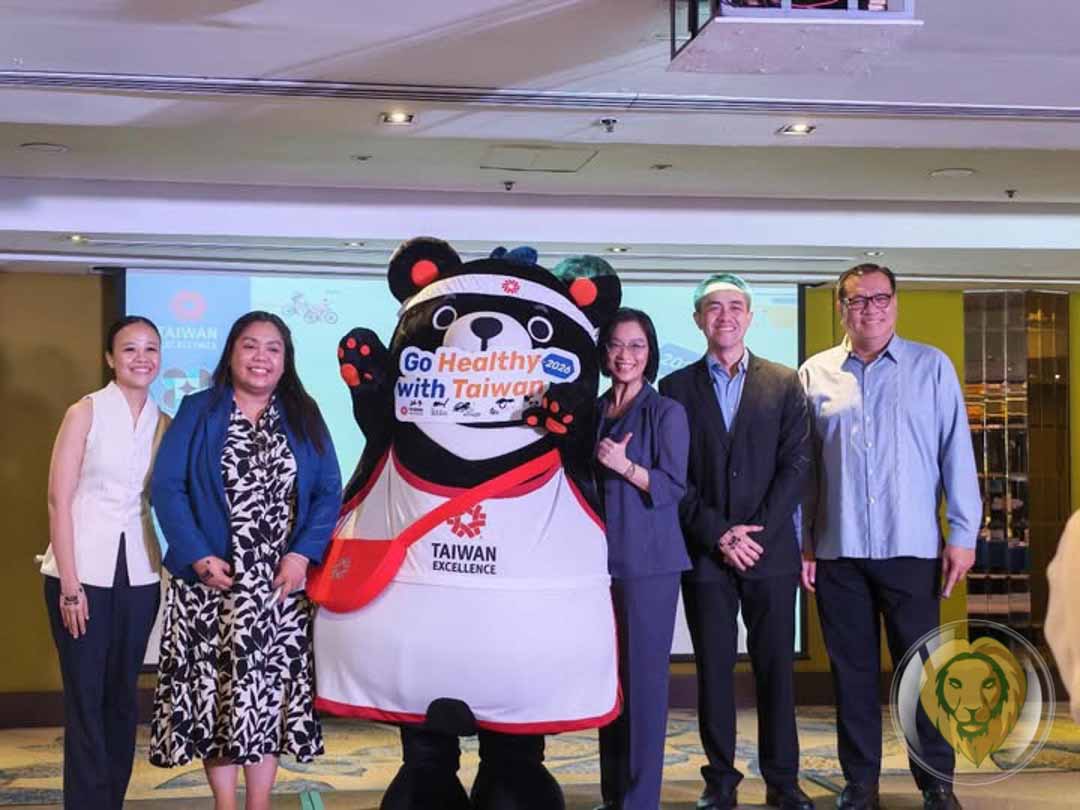
The atmosphere inside the venue was both inspiring and forward-looking. Rather than focusing solely on technological advancements, the discussions revolved around people—communities seeking better healthcare access, individuals striving for healthier lifestyles, and innovators capable of creating solutions that can make a meaningful impact.
From students and researchers to entrepreneurs and professionals, attendees were reminded that innovation often begins with identifying a simple problem and imagining a better way to solve it.
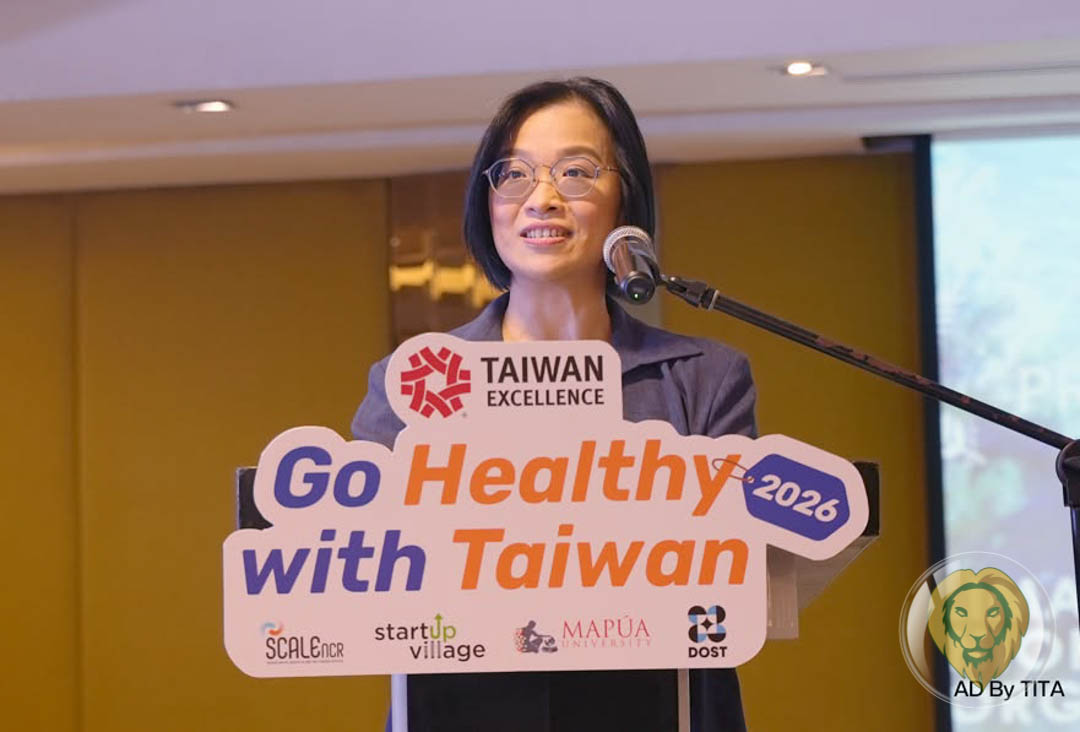
One of the strongest messages of the afternoon came from Claire Yang, who emphasized that Go Healthy with Taiwan is not merely a competition but a platform for creating lasting change.
According to Yang, the initiative has consistently focused on empowering individuals whose ideas have the potential to improve the quality of life and build healthier communities. More than winning awards, participants are encouraged to contribute solutions that can create long-term benefits for society.
That vision resonated throughout the event as speakers shared their perspectives on innovation and collaboration.
Representing the Department of Science and Technology–National Capital Region, Romelen T. Tresvalles highlighted the ingenuity and creativity that Filipinos are known for worldwide. She pointed out that the country’s growing innovation ecosystem continues to produce talented individuals capable of developing world-class solutions.
Her remarks served as a reminder that Filipino innovators already possess the creativity needed to compete globally.
What they often need is the right opportunity.
The importance of support systems was also a recurring theme during the launch.
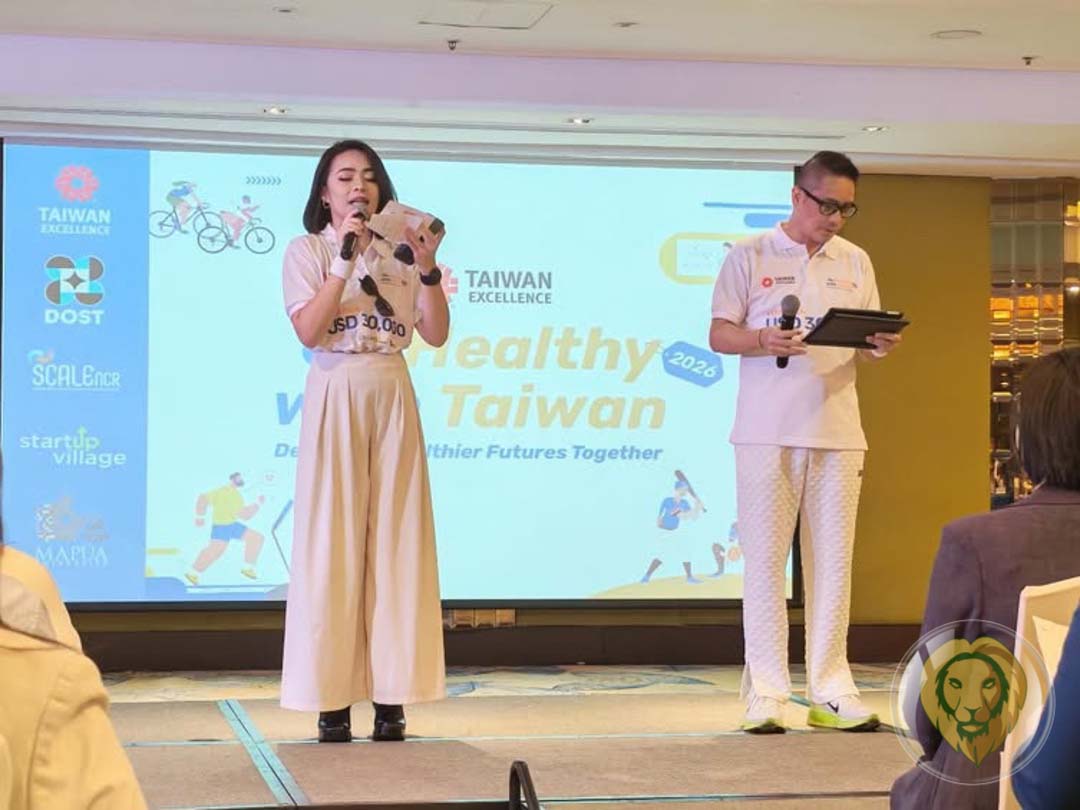
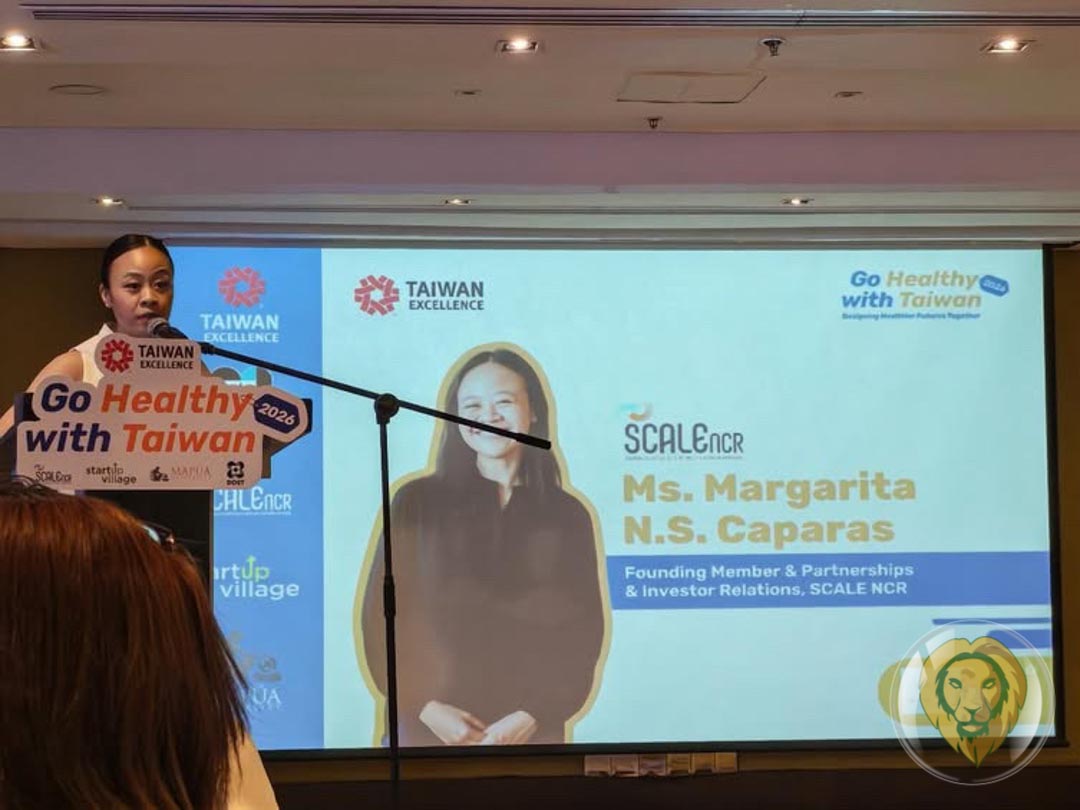
Margarita N. S. Caparas stressed that groundbreaking ideas rarely succeed in isolation. Instead, they flourish when innovators are surrounded by mentors, partners, investors, and organizations willing to help transform concepts into reality.
This belief in collaboration was echoed by Carlo Calimon, who noted that the future of healthcare and wellness will depend on partnerships between innovators, institutions, and industries willing to work together toward common goals.
Meanwhile, the role of education in shaping future innovators was highlighted by Dodjie S. Maestrecampo.
He emphasized that universities are uniquely positioned to identify societal challenges, conduct meaningful research, and nurture students capable of transforming knowledge into practical solutions. Initiatives such as Go Healthy with Taiwan provide an avenue for these ideas to move beyond the classroom and into the real world.
Perhaps one of the most exciting aspects of the competition is its accessibility.
Unlike many innovation contests that require extensive research papers, completed prototypes, or pilot testing, Go Healthy with Taiwan 2026 welcomes ideas at the concept stage.
Participants do not need to present a finished product.
They do not need a thesis.
They do not even need a prototype.
What matters is the strength of the idea and its potential to improve healthcare and wellness.
This approach opens the competition to a broader range of participants, including students, startup founders, researchers, healthcare workers, and aspiring innovators who may have great concepts but limited resources.
The incentives are equally compelling.
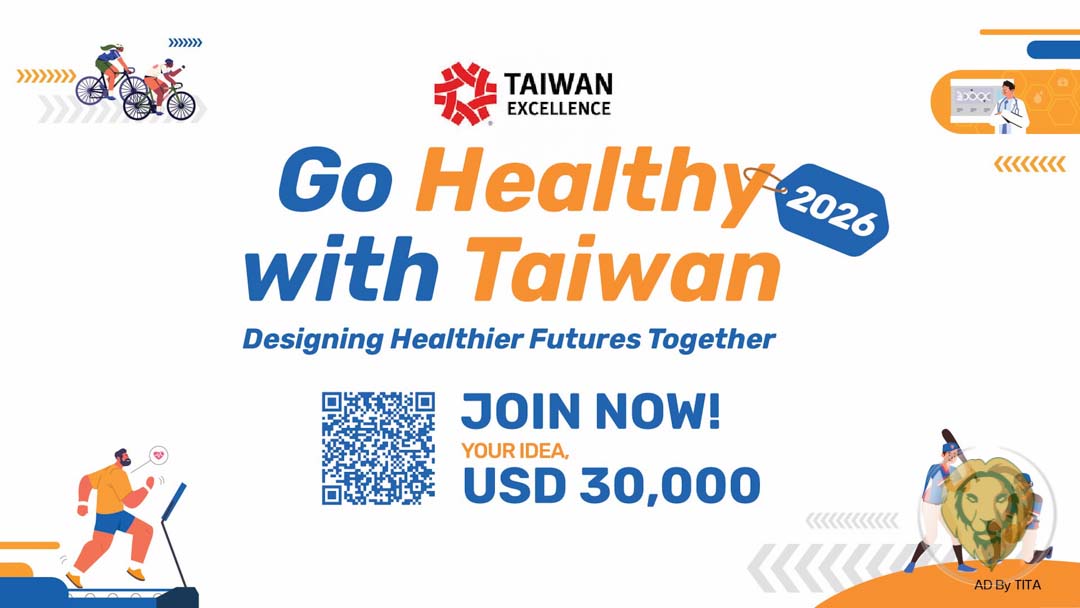
Three Global Champions will each receive a cash prize of USD 30,000 along with international recognition. Selected finalists will also be allowed to travel to Taiwan for a five-day immersion program, with travel and accommodation expenses covered for teams of up to five members.
Beyond the monetary rewards, the program offers something even more valuable: global exposure and the opportunity to connect with an international network of innovators and industry leaders.
As the event drew to a close, the excitement among attendees was palpable.
Many left the venue discussing ideas, potential collaborations, and opportunities to participate. Others reflected on the possibility that a concept developed in a classroom, office, laboratory, or community could one day evolve into a solution that benefits people around the world.
More than a competition, Go Healthy with Taiwan 2026 is a reminder that innovation does not always begin with massive resources or advanced technology.
Sometimes, it begins with a simple idea—and the courage to share it.
For Filipinos with a vision for a healthier future, that opportunity is now within reach. (with reports from Denisse Erikka Cruz)