
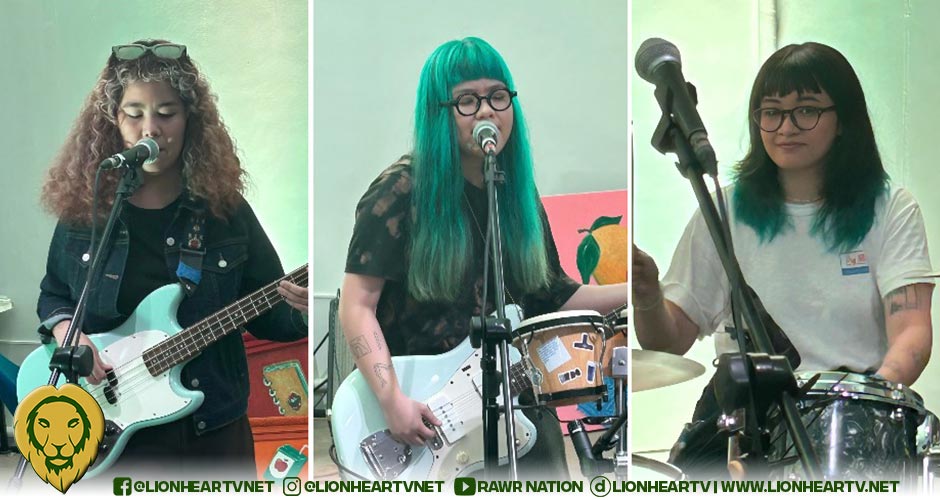

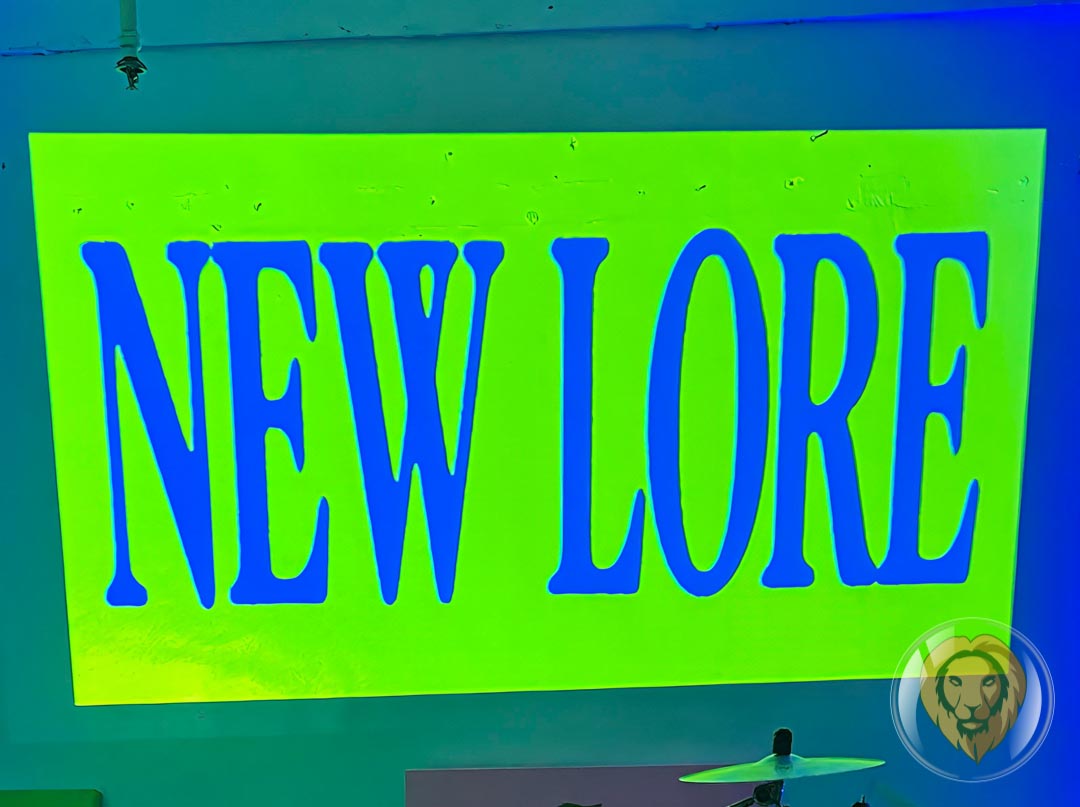
The Good Good Juju Festival didn’t unfold like a typical concert—it felt more like stepping into a temporary world carefully built by New Lore, where music, art, and audience participation all carried equal weight.
From mid-afternoon, the venue already carried a steady hum of activity. By the time gates opened at 3:00 PM, fans were not just lining up to see a show—they were walking into a space designed for lingering. Inside, the grounds were already alive with color, conversation, and movement, as festivalgoers slowly explored what felt like a creative playground rather than a standard event setup.
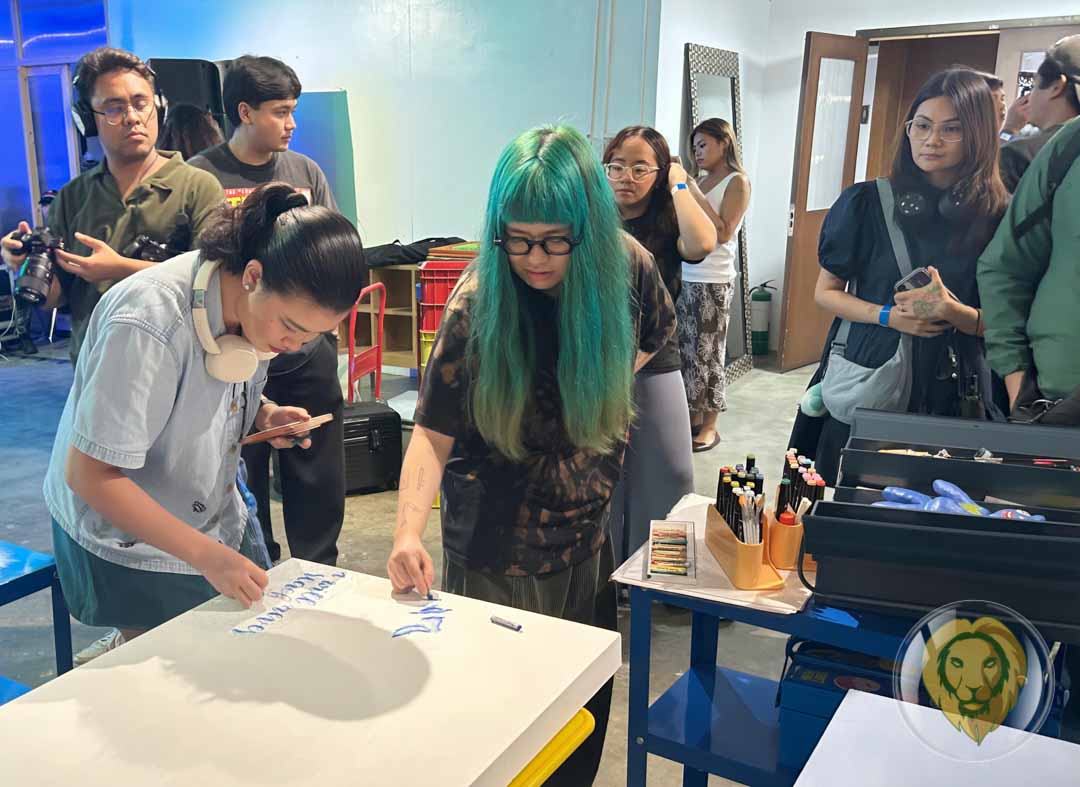
Before any music began, the festival encouraged everyone to settle into the experience. Food stalls offered easy comfort for groups gathered on the sidelines, while interactive corners guests to write messages, doodle freely, and contribute to a growing wall of shared expression. The art exhibit wasn’t something to observe—it became something audiences actively shaped as they passed through.
There was a noticeable shift in pace throughout the afternoon. Instead of rushing toward a main stage, people stayed longer in spaces, talking, creating, and taking their time. It set the tone for what would later become a deeply communal night of performances.
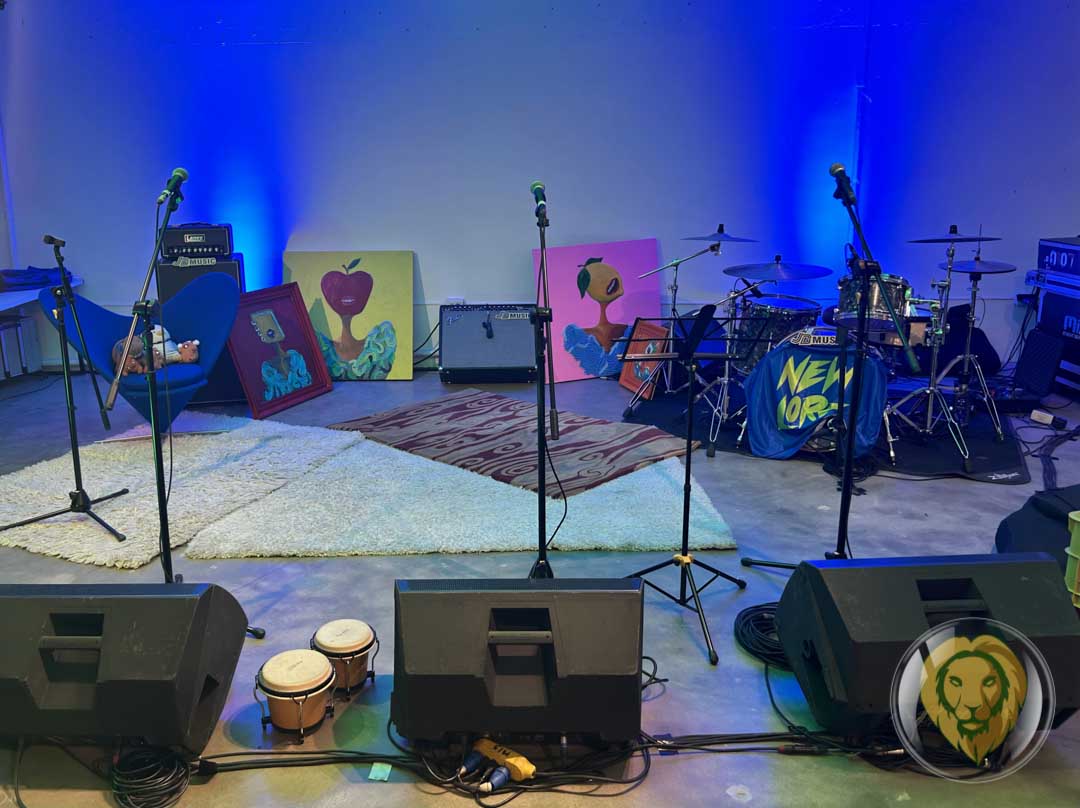
When the program officially started at 6:00 PM, the atmosphere gradually tightened into anticipation. A strong lineup of guest artists opened the evening, each bringing their own texture to the growing energy of the crowd.
Clara Benin’s set drew quiet attention that slowly turned into collective stillness—the kind that only happens when an audience is fully locked into a performance. Gabba followed with a more upbeat rhythm, while Barb did. and KRN_N added contrasting tones that kept the night dynamic without breaking its intimate feel. Each act felt like a different shade of the same mood: reflective, warm, and deeply present.
The night clearly belonged to New Lore.
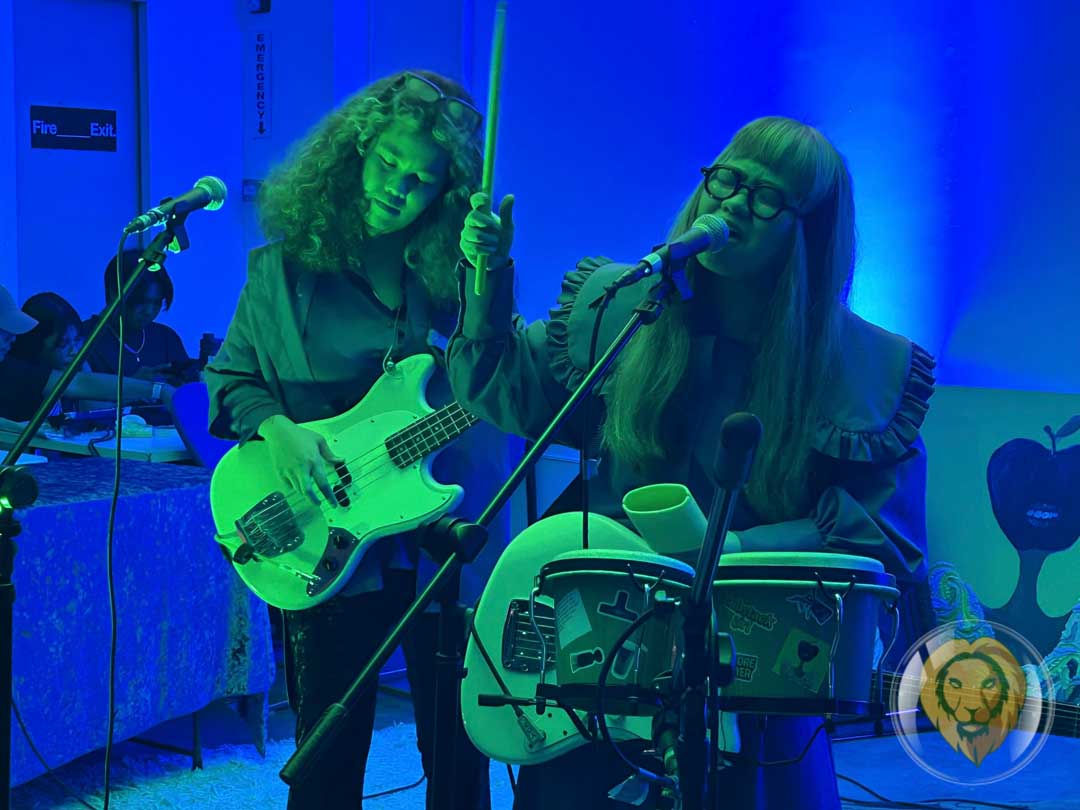
When the band finally stepped onstage, the response was immediate and loud. The crowd shifted forward instinctively, phones raised, voices already waiting for the first chorus. From the opening notes, the performance turned into a shared space rather than a separation between stage and audience.
New Lore’s set leaned heavily into familiarity, with fans singing along to every track as if the songs had been part of their own personal playlists for years. The energy wasn’t just loud—it was connected, as if every lyric carried a collective memory.
Between songs, the band took time to speak directly to the audience, keeping the atmosphere grounded and conversational. The performance never felt distant or overly staged; instead, it unfolded with the ease of artists performing for people they genuinely knew.
One of the most emotional turns of the evening came unexpectedly when the crowd broke into “Happy Birthday” for member Kim Escalona. What could have been a brief moment quickly expanded into a full-room celebration, with voices echoing across the venue and laughter blending into applause. It was spontaneous, unplanned, and entirely embraced by everyone present.
The emotional weight deepened further when a surprise video presentation played on screen, featuring messages from friends and personalities connected to the band. The appearance of former Vice President Leni Robredo drew an especially strong reaction from the audience, adding an unexpected layer of recognition to the already heartfelt segment.
Still, even with the surprises, the focus never drifted far from the music.
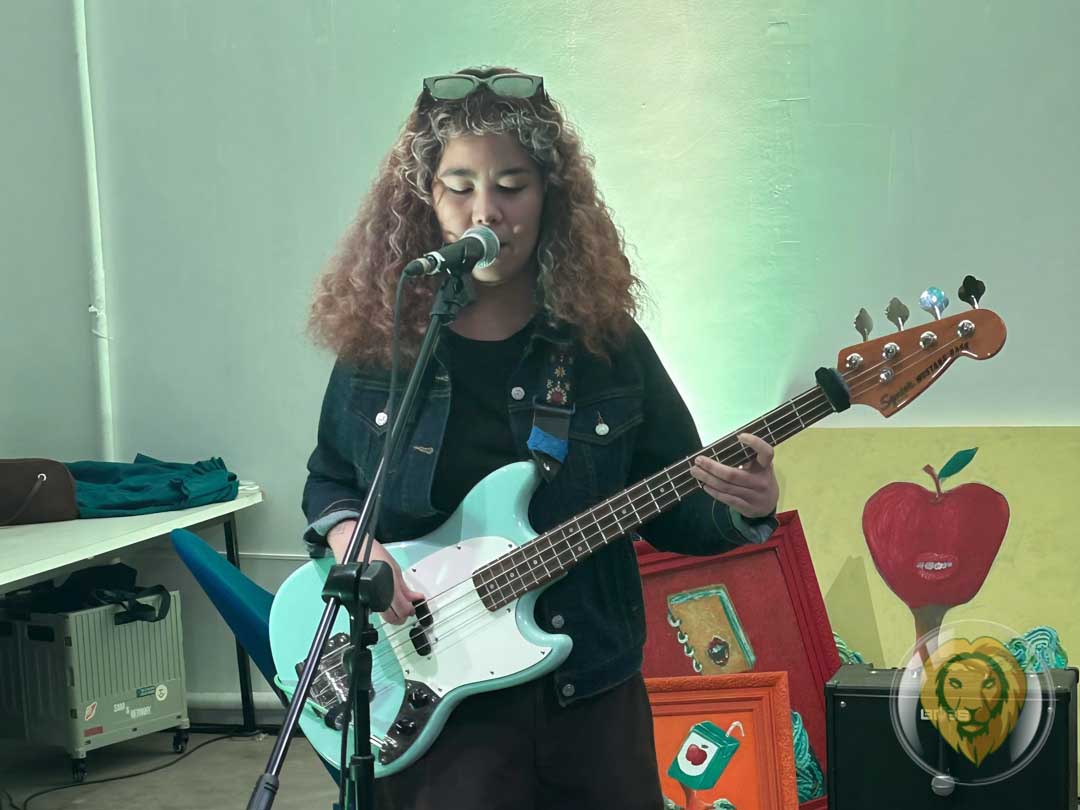
New Lore returned to the stage with renewed energy, continuing their set with performances that kept the crowd fully engaged. Every song felt like an extension of the relationship they’ve built with their listeners—less like a showcase, more like a shared moment unfolding in real time.
What stood out most throughout the night was how seamlessly the festival blended performance and participation. Nothing felt strictly one-directional. The audience wasn’t simply watching; they were contributing to the atmosphere, the energy, and, in some ways, the meaning of the event itself.

For LionhearTV, The Good Good Juju Festival succeeded precisely because it resisted the usual structure of live events. Instead of separating artists and audience, it blurred the lines until the entire space felt unified.
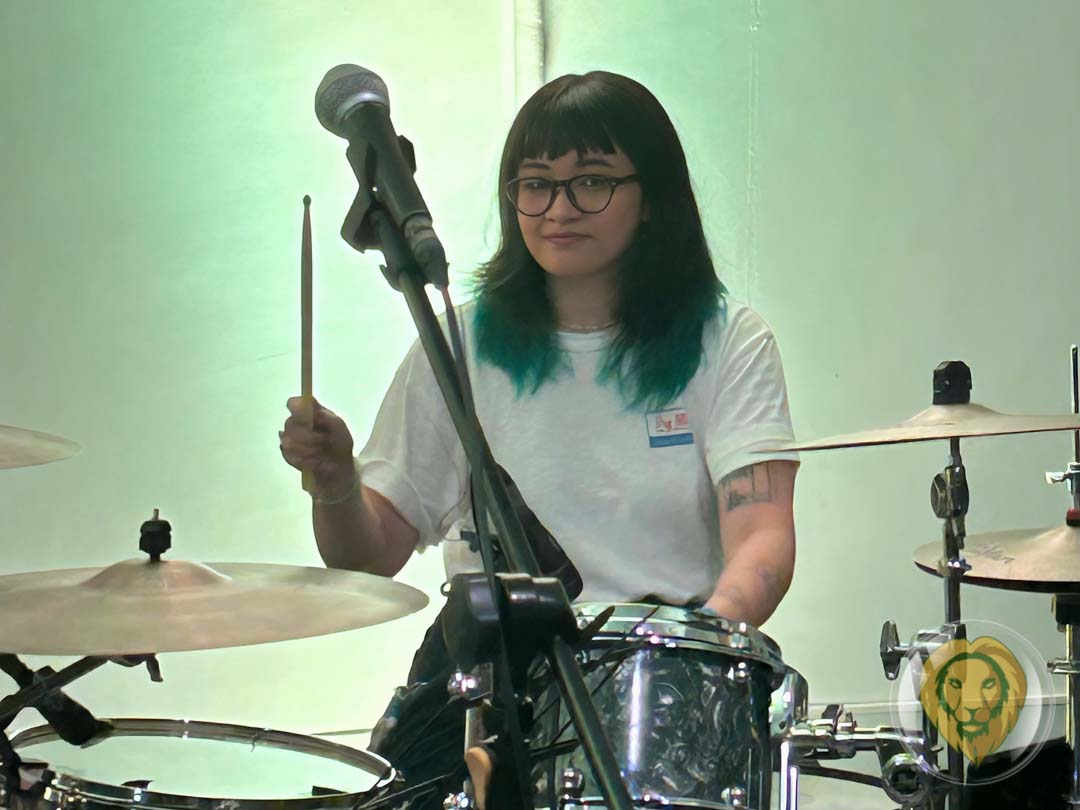
By the time New Lore closed their set and the final notes faded, there was no rush to leave. People stayed talking, reflecting, taking photos of the art they helped create, and holding onto the atmosphere a little longer.
In the end, the festival wasn’t just remembered for its lineup or performances.
It was remembered for how it made people feel like they were part of something still unfolding. (with reports from Kirby Morante)
