
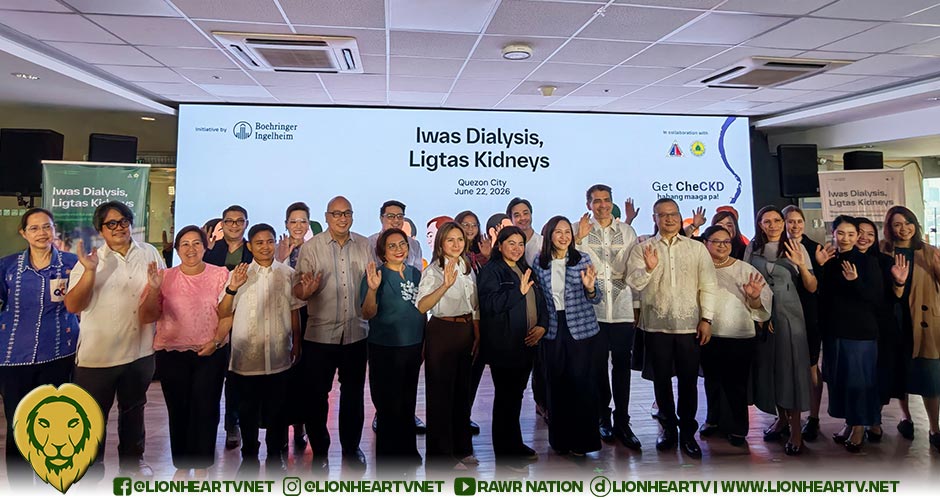

An afternoon that began with discussions on nutrition and public health soon evolved into an emotional and thought-provoking conversation as physicians, patient advocates, healthcare professionals, and members of the public gathered at St. Luke’s Medical Center for the Iwas Alat, Iwas Sakit Lay Forum in celebration of National Kidney Month.

Organized by St. Luke’s Medical Center–Quezon City, the Philippine Society of Nephrology, and ImagineLaw, the forum shifted the spotlight from treating chronic kidney disease to preventing it before it begins. Throughout the event, one message remained constant: many kidney-related illnesses can be avoided through healthier food choices, increased awareness, and stronger public health policies.
The program opened with medical experts presenting the growing burden of kidney disease in the Philippines, emphasizing that excessive sodium consumption continues to be one of the major contributors to hypertension and chronic kidney disease. Rather than relying solely on statistics, the speakers challenged attendees to view prevention as a shared responsibility involving individuals, healthcare providers, policymakers, and the food industry.
One of the most compelling parts of the forum came when patient advocates took the stage to share their personal experiences. Their stories transformed medical data into human realities, offering a glimpse into the daily struggles faced by Filipinos living with kidney disease.
They spoke candidly about the physical exhaustion brought on by regular dialysis sessions, the emotional uncertainty of living with a chronic illness, and the financial sacrifices families endure to sustain treatment. The audience listened in silence as each testimony underscored a common message—that while dialysis can prolong life, preventing kidney disease remains the better path for both patients and their loved ones.
Building on these stories, nephrologists outlined practical ways to reduce the risk of chronic kidney disease through simple lifestyle changes. They encouraged participants to adopt healthier eating habits, stay physically active, manage blood pressure and blood sugar levels, drink enough water, avoid smoking, and undergo regular health screenings. These recommendations, they explained, become even more effective when paired with informed food choices and greater awareness of sodium intake.

Nutrition specialists further enriched the discussion by examining where sodium hides in the typical Filipino diet. Everyday kitchen staples—including salt, soy sauce, seasoning mixes, processed foods, and canned products—were identified as major sources of sodium, highlighting how easily people can exceed recommended daily limits without realizing it.
The forum also explored broader solutions beyond individual lifestyle changes. Public health advocates emphasized the need to reshape the country’s food environment through policies that encourage food manufacturers to reduce sodium content in processed products. They stressed that making healthier options more accessible is essential if prevention efforts are to reach communities nationwide.

Representatives also shared updates on the Department of Health’s ongoing efforts to develop a national strategic plan for chronic kidney disease, signaling a stronger focus on preventive healthcare, early diagnosis, and healthier communities. The announcement was welcomed by healthcare professionals attending the forum, who noted that reducing the number of Filipinos progressing to kidney failure would benefit not only patients but also the country’s healthcare system.
As the afternoon came to a close, conversations continued among attendees who reflected on the day’s discussions. Many left with practical knowledge they could immediately apply in their own households, from becoming more mindful of sodium-rich ingredients to making healthier dietary decisions that protect long-term kidney health.
More than an educational forum, Iwas Alat, Iwas Sakit became a powerful reminder that prevention begins with everyday choices. By bringing together medical expertise, lived experiences, and public policy discussions under one roof, the event reinforced a simple yet urgent message: protecting the kidneys starts long before symptoms appear, and every small step toward healthier living can make a lasting difference.

For more information about St. Luke’s Medical Center and its health programs, visit St. Luke’s Medical Center. (with reports from Lau Balocos)
