
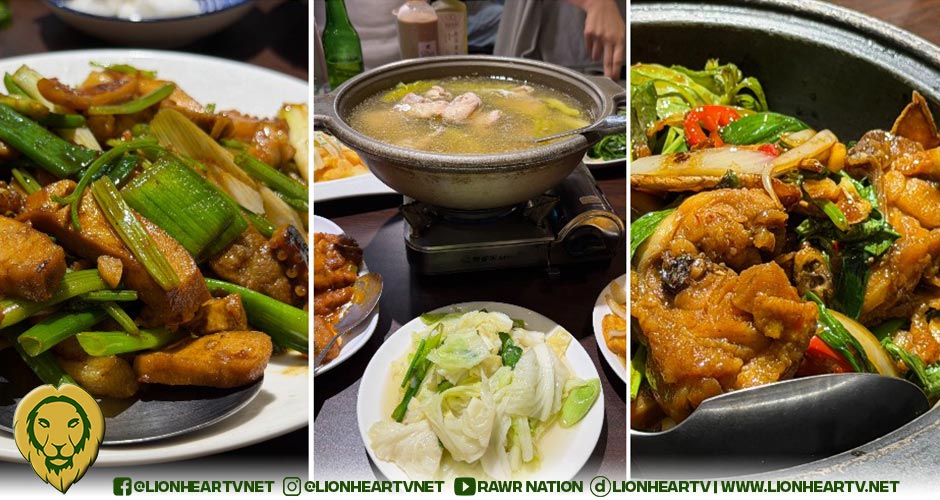

One of the best ways to understand Taiwan is to gather around a large round table.
Unlike many Western dining experiences where everyone orders their own entrée, Taiwanese cuisine is built around sharing. Dishes arrive one after another, filling the center of the table with seafood, vegetables, soups, meats, and stir-fries meant for everyone to enjoy. Every meal becomes a conversation, every dish another invitation to discover Taiwan’s rich culinary traditions.
That philosophy comes to life at Nanhai Fishing Village, a well-loved Taiwanese seafood restaurant in Luzhou, New Taipei City. Open daily from 11:00 AM to 2:00 PM and 5:00 PM to 10:00 PM, the restaurant has earned a loyal following for its fresh seafood, comforting home-style dishes, and generous family-style portions that celebrate the island’s vibrant food culture.

During our five-day Familiarization Trip organized by the Taiwan Tourism Administration, dinner at Nanhai Fishing Village became one of the culinary highlights of our journey. After a full day exploring Tamsui’s heritage sites and historic streets, the restaurant welcomed us with a feast that perfectly reflected Taiwan’s love for hearty, communal dining.
What immediately stood out at Nanhai Fishing Village wasn’t just the seafood—it was the incredible variety of dishes that arrived one after another.
Instead of focusing on a single signature item, the restaurant offers the kind of spread commonly enjoyed during Taiwanese family gatherings, where every dish complements the next.
One of the simplest yet most satisfying dishes was the Preserved Radish Omelet (菜脯蛋).
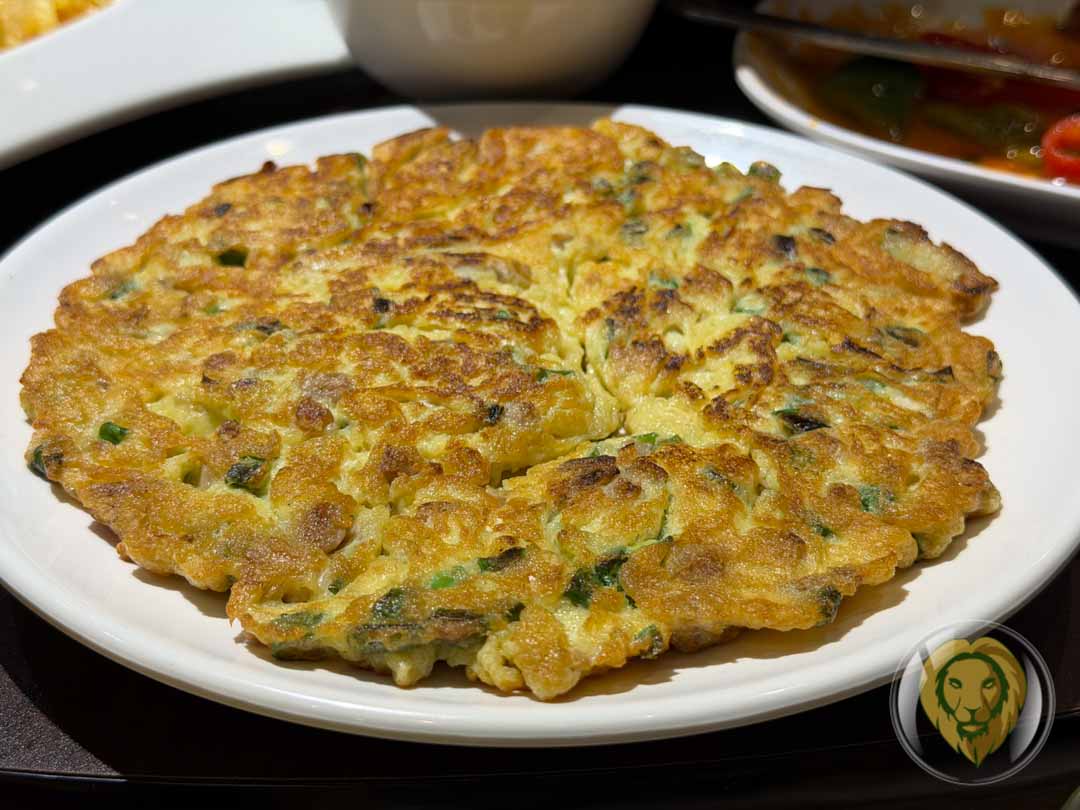
At first glance, it looks like an ordinary omelet, but one bite reveals why it remains a staple in Taiwanese households. The fluffy eggs are studded with finely chopped preserved radish, adding bursts of salty, umami-rich flavor and a slight crunch that transforms a humble egg dish into something deeply comforting. It’s proof that Taiwanese cuisine doesn’t always need expensive ingredients to leave a lasting impression.
Another standout was the Braised Tofu (紅燒豆腐), where silky tofu slowly absorbs a savory soy-based sauce until every bite becomes rich, flavorful, and satisfying. Combined with vegetables and gently simmered until perfectly tender, the dish showcased the quiet elegance often found in Taiwanese home cooking.

Taiwan’s multicultural heritage also finds its way onto the menu.
The restaurant’s Hakka-style Stir-Fry (客家小炒) is one of the country’s most beloved regional dishes. Thin slices of pork, dried squid, dried tofu, celery, and aromatics are stir-fried together over high heat, creating an irresistible combination of smoky aroma, chewy textures, and deeply savory flavors.

It’s a dish that perfectly captures Hakka cooking—resourceful, bold, and designed to maximize every ingredient.
Another crowd favorite was the Salted Pork with Garlic Sprouts (蒜苗鹹豬肉).
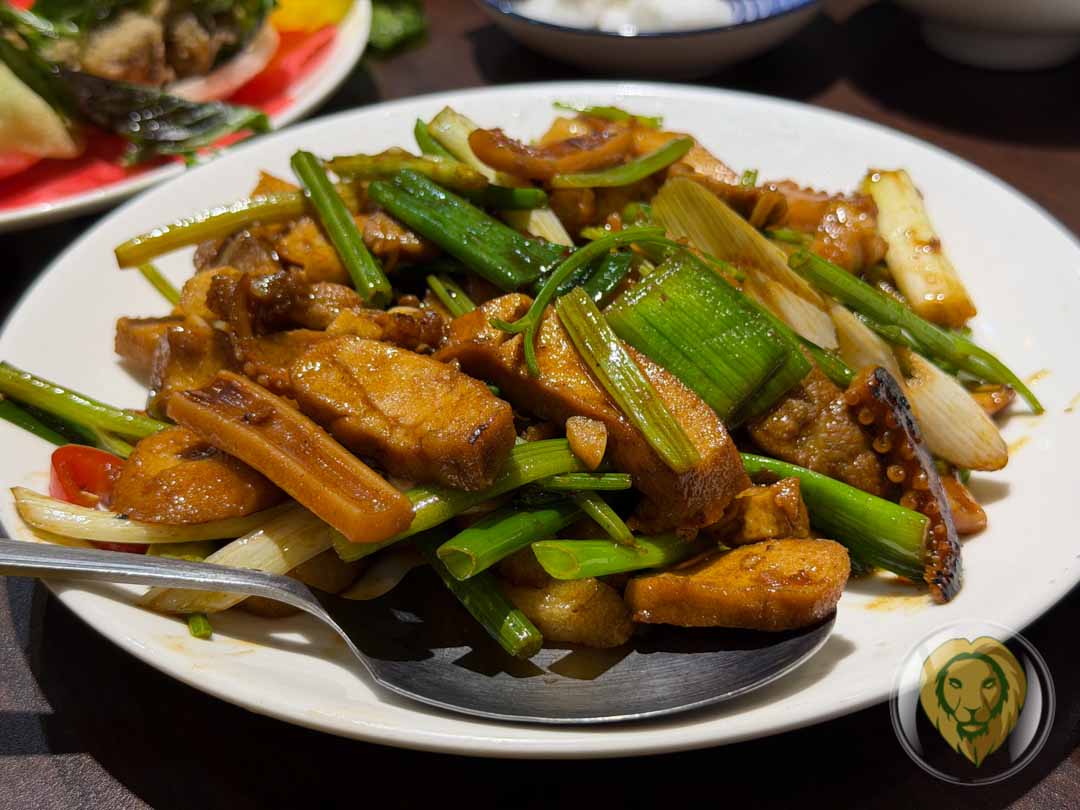
The salted pork delivers a rich, smoky flavor that pairs beautifully with fragrant garlic sprouts, whose slight sweetness balances the savory intensity of the meat. Every bite carries layers of flavor developed through careful seasoning rather than heavy sauces.
These dishes reflect Taiwan’s remarkable ability to preserve regional culinary traditions while making them accessible to modern diners.
No Taiwanese feast feels complete without a comforting braised dish, and Nanhai Fishing Village delivers with its excellent Three-Cup Chicken (三杯雞).

Named after its traditional combination of soy sauce, sesame oil, and rice wine—the “three cups” that define the recipe—the chicken is slowly braised together with garlic, ginger, and generous amounts of fresh basil. The result is intensely aromatic.
Every piece of chicken remains tender while absorbing the rich sauce, with the basil adding freshness that prevents the dish from becoming overly heavy. It is one of Taiwan’s most iconic comfort foods and an essential dish for anyone exploring the country’s culinary traditions.
Equally satisfying were the Sweet and Sour Pork Ribs (糖醋排骨).

Perfectly fried before being coated in a glossy sweet-and-sour sauce, the ribs balanced crispness, tenderness, sweetness, and acidity in every bite. Rather than overwhelming the meat, the sauce complemented it beautifully, creating a dish that appealed to both local diners and international visitors alike.
As expected from a restaurant named Nanhai Fishing Village, seafood remains one of its greatest strengths.
Among the highlights of the evening were the Pineapple Shrimp Balls (鳳梨蝦球).

Large, succulent shrimp were lightly battered until crisp before being tossed with juicy pineapple chunks and coated in a creamy mayonnaise-based dressing. The combination of sweet pineapple, crunchy batter, and fresh shrimp created a delightful contrast of textures and flavors that has become a classic in Taiwanese banquet dining.
Equally memorable were the Crispy Fried Oysters (酥炸鮮蚵).
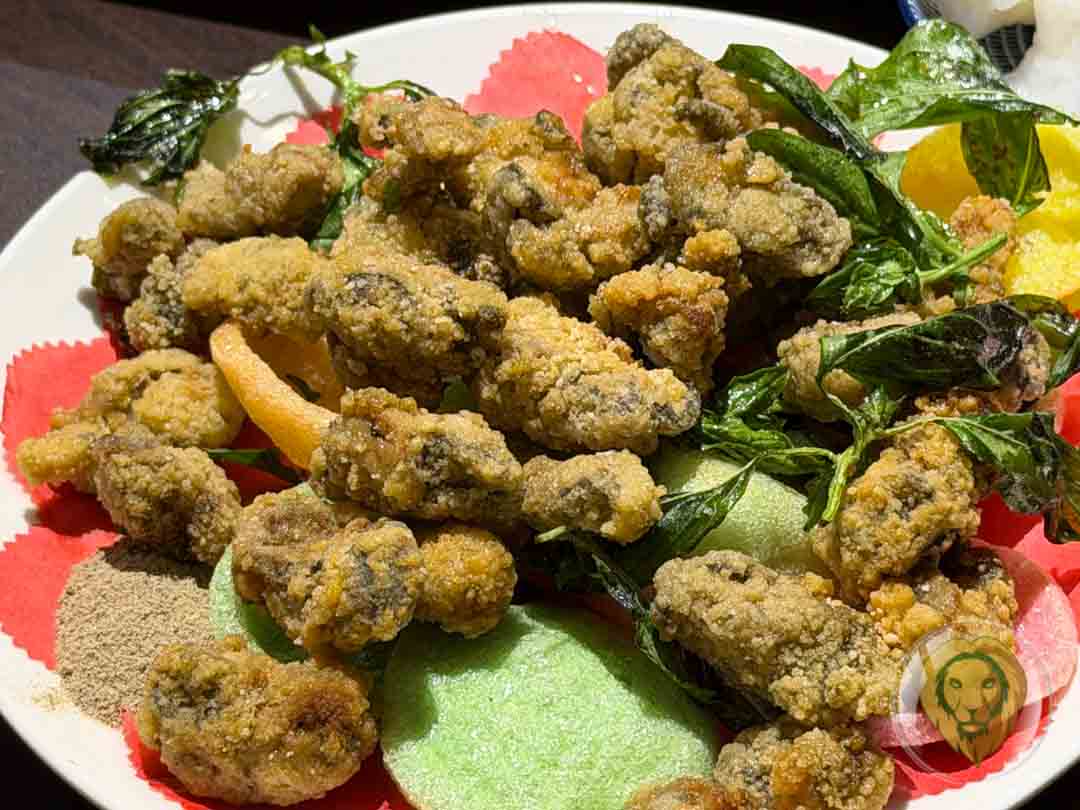
Fresh oysters were lightly coated in batter and fried until golden brown, producing a crisp exterior that gave way to a juicy, briny center bursting with the unmistakable sweetness of the sea. Served simply, the oysters demonstrated Taiwan’s philosophy that fresh seafood requires very little embellishment.
These dishes served as reminders that Taiwan’s identity as an island nation continues to shape its cuisine, with seafood remaining central to celebrations, family gatherings, and everyday meals alike.
Taiwanese meals are carefully balanced, and vegetables play an essential role in every family-style spread.
The Stir-Fried Cabbage (高麗菜) may appear simple, but it perfectly demonstrated the importance of quality ingredients. Quickly cooked with garlic over high heat, the cabbage retained its natural sweetness and satisfying crunch while absorbing just enough seasoning to enhance its flavor without overpowering it.

The Stir-Fried Water Snowflake Stems offered another refreshing contrast.
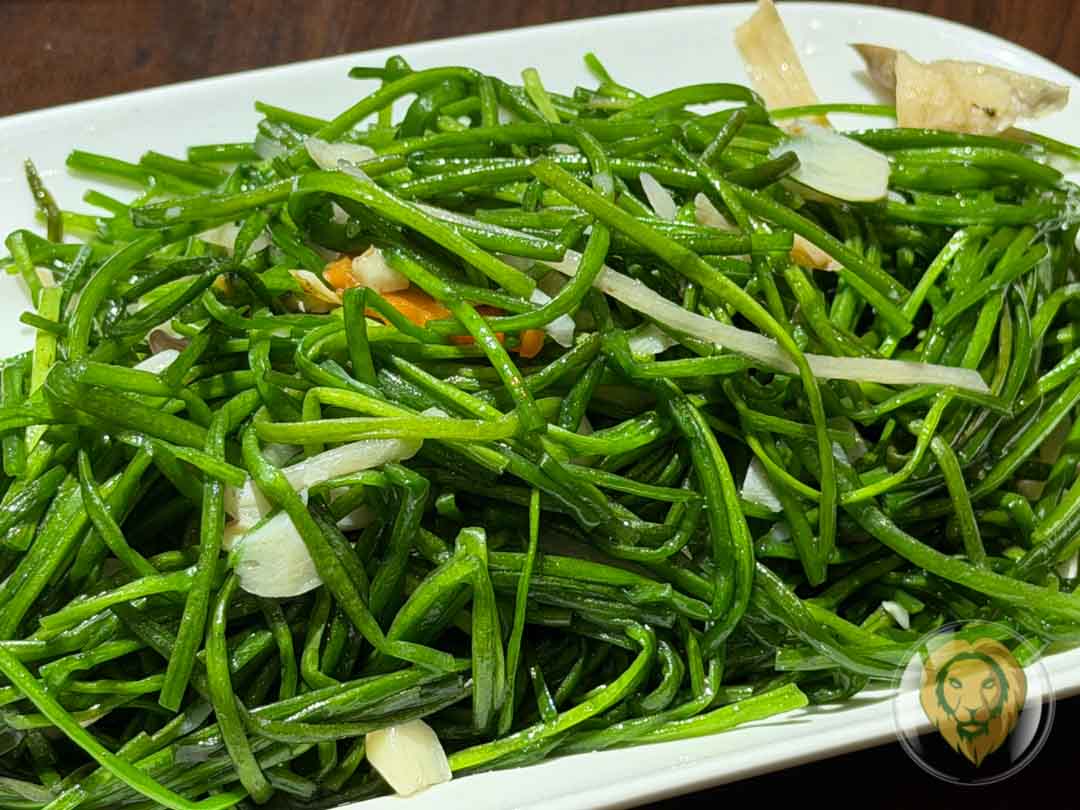
Lightly seasoned and stir-fried with garlic, the crunchy stems provided a clean, crisp bite that balanced the richer meat and seafood dishes served throughout the meal.
These vegetable dishes highlighted one of Taiwanese cuisine’s defining strengths: achieving harmony across an entire meal rather than relying on a single standout dish.
Perhaps the most comforting dish of the evening arrived toward the end of dinner.
The Chicken Soup with Pineapple and Bitter Melon (鳳梨苦瓜雞湯) showcased Taiwan’s appreciation for nourishing soups that bring together contrasting flavors in perfect balance.
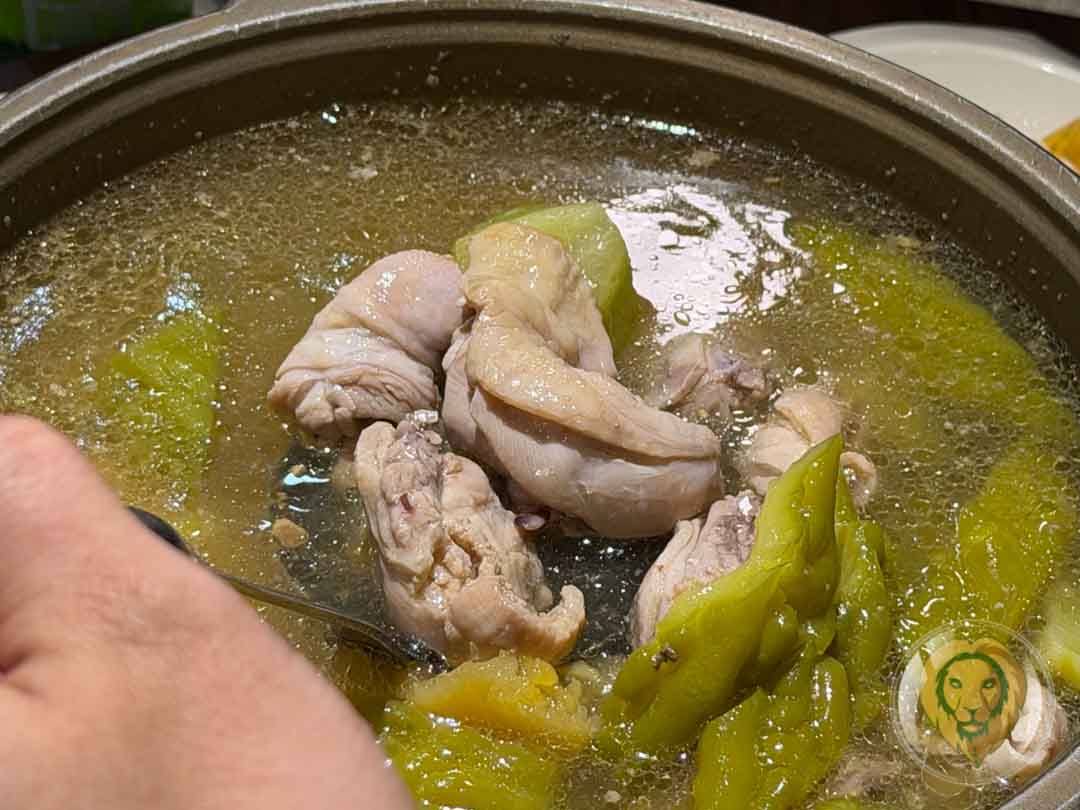
The slight bitterness of the bitter melon was softened by the natural sweetness of pineapple, while slow-simmered chicken added depth and richness to the broth.
Far from overpowering, the soup felt delicate, refreshing, and restorative—the kind of dish that Taiwanese families often enjoy at the end of a shared meal.
It was the perfect conclusion to a feast that celebrated not only flavor but also the comforting nature of home-style cooking.
Dining at Nanhai Fishing Village wasn’t simply about enjoying excellent seafood. It was about experiencing the generosity of Taiwanese hospitality through food. Every dish encouraged sharing. Every recipe reflected generations of culinary tradition.

Every course demonstrated Taiwan’s remarkable ability to transform fresh, high-quality ingredients into meals that are both comforting and memorable.
Whether you’re craving perfectly fried oysters, classic Three-Cup Chicken, flavorful Hakka stir-fry, or comforting bowls of soup, Nanhai Fishing Village offers an authentic taste of Taiwanese family dining in a warm and welcoming setting.
For travelers exploring New Taipei City, it’s more than just another seafood restaurant. It’s a place where Taiwan’s culinary traditions are served exactly as they should be—around a table full of family, friends, and dishes meant to be shared.
