


Donny Pangilinan and Kyle Echarri wage war against chaos in a hostage-crisis drama that burns bright despite uneven casting.
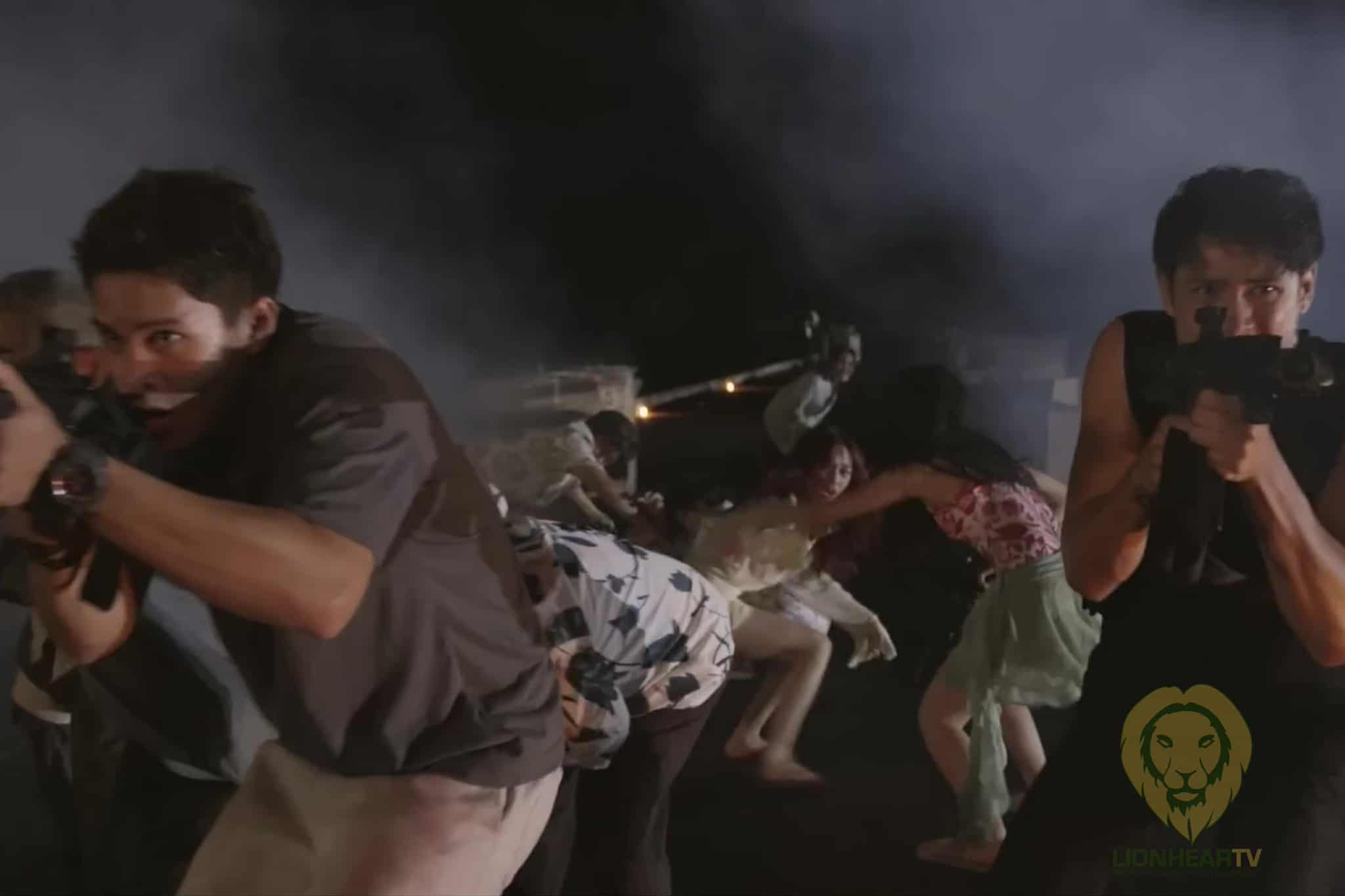
When armed militants storm the sun-drenched luxury resort of La Playa Roja, turning tropical paradise into a blood-soaked warzone, ABS-CBN’s Roja transforms from sleek vacation fantasy into grimy survival thriller. This 80-episode action spectacle—helmed by Lawrence Fajardo, Andoy Ranay, Raymund Ocampo, and Rico Navarro—pits Donny Pangilinan and Kyle Echarri against insurmountable odds in a high-octane hostage drama that echoes real-world nightmares while forging its own brutal identity.
The premise pulses with adrenaline: head chef Liam (Pangilinan) and security team member Olsen (Echarri) play former best friends turned rivals as their brotherhood is torn apart by betrayal and jealousy. Their fractured bond—poisoned when Liam discovers his father Magnus (Raymond Bagatsing) is having an affair with a younger woman (Yassi Pressman), a secret Olsen knew but concealed—becomes collateral damage when an armed group led by Emil “Uno” Padua (Joel Torre) takes hostages and controls the entire resort. What follows is a pressure-cooker crucible where former brothers-in-arms must weaponize their resentment into survival instinct.

The series’ greatest asset is its visceral commitment to chaos. Directors Fajardo, Ranay, Ocampo, and Navarro orchestrate set pieces with kinetic urgency—gunfire rips through marble lobbies, bodies crumple against infinity pools, and the resort’s picture-perfect aesthetics curdle into claustrophobic deathtrap. This isn’t polished Hollywood action; it’s raw, desperate, and grimy with sweat and blood. The pacing rarely relents, each episode escalating stakes until the screen practically vibrates with tension.

Pangilinan and Echarri rise spectacularly to the occasion, both actors graduating from romantic leads into full-fledged action heroes. Pangilinan’s Liam channels righteous fury beneath culinary sophistication—his transformation from privileged chef to improvised warrior feels earned through sheer physical commitment. Echarri noted how challenging the physical training was, especially tackling action sequences for the first time, and that dedication bleeds through every fight scene. Where previous roles showcased his sensitivity, here Echarri excavates primal survival instinct, his Olsen a coiled spring of working-class resentment and tactical precision.
Maymay Entrata plays Luna, Liam’s sous chef and best friend, noting how difficult preparing for action sequences was since she doesn’t typically work out but needed stamina. Entrata acquits herself admirably in the physical demands, bringing grounded humanity to the carnage. Her Luna becomes the emotional anchor—less combat-ready than her male counterparts but no less essential to the narrative’s beating heart.
The veteran ensemble elevates every frame they inhabit. Joel Torre’s militant leader crackles with ideological menace, his grievance against Magnus infusing the takeover with personal vendetta beyond simple terrorism. Torre’s character had a dispute with Magnus six years prior, motivating his decision to takeover the resort. Raymond Bagatsing and Lorna Tolentino as the resort’s owners radiate old-money anxiety, their privilege rendered suddenly impotent against violence. Janice de Belen brings maternal steel as Olsen’s mother Wendy, while the presence of veterans like Levi Ignacio, Bernard Palanca, and more adds textural authenticity.
Yassi Pressman’s role as Magnus’ mistress ignites the personal betrayals fueling Liam and Olsen’s fractured friendship, though the character feels underwritten—more plot device than fully realized complication. The series struggles to balance its sprawling ensemble, and here the cracks show most prominently.
Which brings us to Roja‘s most glaring weakness: the bloated supporting cast overwhelmed by too many guest stars lacking the chops to sell high-stakes drama. When crisis demands everyone inhabit life-or-death desperation, several performers deliver line readings that feel rehearsed rather than lived. The disparity between Torre’s weathered authority and some of the flatter guest performances creates tonal whiplash. In a series where one unconvincing reaction can deflate tension, these missteps hurt.
The series features La Playa Roja as its main setting, with lush greenery, crystal-clear waters, and stylish cocktails establishing the tone. Cinematography captures the location’s seductive beauty before methodically desecrating it—a conscious visual strategy that mirrors the violence inflicted upon privilege. The production design understands luxury as vulnerability; every marble surface becomes potential cover, every ornate fixture a weapon or obstacle.
Inevitably, comparisons to HBO’s The White Lotus emerge—both series weaponize resort settings to examine class, privilege, and simmering violence beneath vacation façades. But where Mike White’s creation operates as darkly satirical social commentary, Roja commits to full-throttle action spectacle. The series has been described as unfolding against a White Lotus-esque backdrop at the fictional La Playa Roja resort, yet reduces social critique to adrenaline fuel rather than contemplative dissection. It’s a different animal entirely—less interested in skewering the rich than watching them bleed.
More uncomfortable are echoes of real trauma. The Dos Palmas kidnappings occurred on May 27, 2001 when Abu Sayyaf terrorists kidnapped 20 people from the Dos Palmas resort in Palawan, including tourists and resort staff. Roja‘s premise—armed militants overtaking a Philippine island resort—resurrects that national nightmare. The series doesn’t directly reference Dos Palmas, but the specter haunts every hostage scene. Whether this constitutes exploitation or processed cultural memory depends on viewer perspective; what’s certain is that Roja trades in anxieties born from actual horror.
Yet within its flawed construction exists genuine craft. The fight choreography favors brutal practicality over wire-work elegance. Pangilinan and Echarri throw themselves into hand-to-hand combat with convincing desperation, and the series contains many shocking twists that make it difficult to spoil due to how much is happening. When Roja fires on all cylinders—leads committed, veterans elevating, directors orchestrating chaos—it achieves a grimy, pulsating energy that recalls the best of Asian action cinema’s visceral tradition.

The ominous atmosphere sustains throughout, humidity and paranoia thick as jungle air. Even moments of respite crackle with dread; every shadow conceals potential threat, every quiet corridor promises violence. This is Roja‘s most consistent triumph—maintaining nerve-shredding tension across 80 episodes through sheer directorial willpower and lead-actor charisma.
The series remains frustratingly uneven. Guest performers who can’t match the intensity drag scenes toward mediocrity. Subplots occasionally meander when they should sprint. But the core trio of Pangilinan, Echarri, and Entrata, supported by Torre, Bagatsing, Tolentino, de Belen, and the veteran contingent, provide enough firepower to overcome the collateral damage. This is Pangilinan’s most physically demanding performance, Echarri’s grittiest work to date, proof both actors possess range extending far beyond romantic comfort zones.
Roja may stumble under its own ambition, but its promises—relentless action, genuine danger, leads transformed into warriors—it delivers with blood-soaked conviction. As guilty-pleasure action television born from national trauma and international influences, it carves its own desperate, violent path through Philippine primetime.
Rating: 7/10 — A flawed but ferocious hostage thriller elevated by committed leads and veteran gravitas despite uneven supporting performances.
