
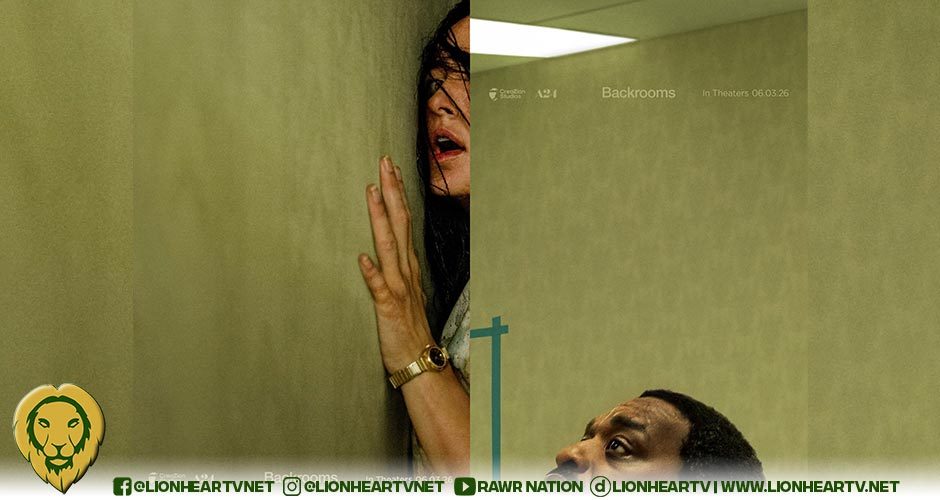
Long before entering the actual immersive experience at Shangri-La Plaza in Mandaluyong City, there was already an eerie feeling hanging in the air during the exclusive launch of “Backrooms Breakout,” the interactive horror activation created ahead of the Philippine release of A24 and CreaZion Studios’ much-anticipated psychological horror film, Backrooms.
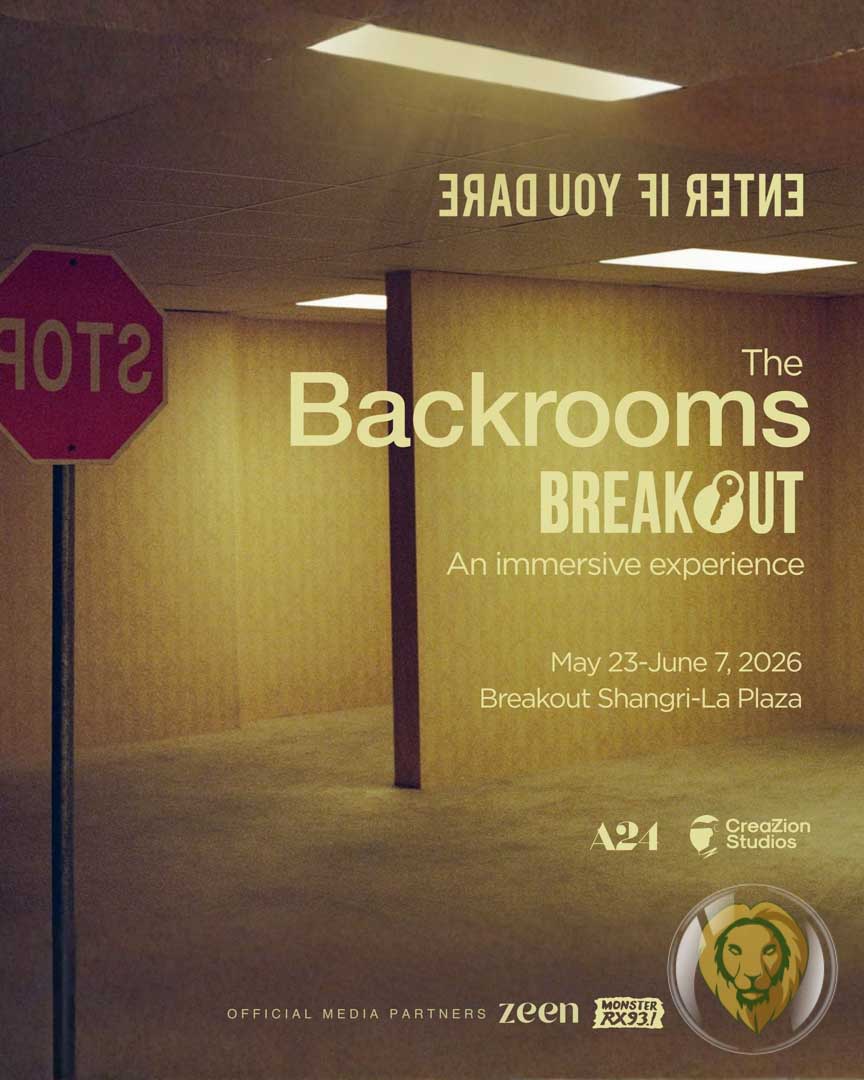
The atmosphere alone immediately felt different from typical horror-themed events.
There were no flashy decorations, oversized monsters, or exaggerated haunted house gimmicks trying too hard to scare guests. Instead, the event leaned fully into psychological discomfort—the same unsettling energy that turned Backrooms into one of the internet’s most terrifying modern horror phenomena.
The moment guests approached the activation area, reality itself already seemed slightly distorted.
Muted fluorescent lighting flickered overhead while endless yellow walls stretched into strangely empty corridors. The hum of electrical lights echoed unnaturally through the hallways. Every corner looked identical. Every room felt abandoned yet somehow occupied by an invisible presence. It was the kind of silence that immediately puts your body on edge even before anything actually happens.
And that is exactly what makes Backrooms terrifying.
It understands that fear does not always come from seeing monsters.
Sometimes, fear comes from getting lost.
The immersive “Backrooms Breakout” experience successfully recreated the suffocating atmosphere of the original viral Backrooms mythology that first exploded online years ago through Kane Parsons’ now-iconic horror videos. Guests entering the attraction found themselves trapped inside endless liminal spaces, maze-like hallways, repetitive office rooms, distorted interiors, and spaces that felt painfully familiar yet deeply wrong.
The experience was designed not just to scare people but to mentally disorient them.
Every hallway looked like it led somewhere important before suddenly ending in another identical room. Strange sounds echoed from impossible directions. Empty spaces somehow felt crowded with unseen danger. Even the carpeted floors and fluorescent lighting became sources of anxiety.

Unlike traditional horror attractions that rely heavily on actors jumping out from corners, Backrooms weaponized the atmosphere itself.
And honestly, that made it even more effective.
Throughout the launch, attendees could be seen nervously laughing after exiting the maze, trying to process what they had just experienced. Others immediately compared theories about hidden rooms and unexplained sounds they encountered inside. Some stayed unusually quiet, almost as if part of them was still mentally trapped within the endless corridors.
That reaction perfectly mirrors the movie itself.
Directed by Kane Parsons, the same creator responsible for the original Backrooms internet phenomenon, the feature-length adaptation transforms viral liminal horror into a full cinematic nightmare. Produced by acclaimed studio A24 and starring Academy Award nominee Chiwetel Ejiofor alongside Cannes Best Actress winner Renate Reinsve, the film has already become one of the most anticipated horror releases of the year globally.
What makes Backrooms stand out from modern horror films is its confidence in restraint.
The movie does not rely on nonstop jump scares or exaggerated gore to keep audiences engaged. Instead, it slowly builds psychological tension through space, silence, repetition, and uncertainty. The fear comes from the environment itself—endless fluorescent hallways, abandoned rooms, impossible architecture, and the growing realization that reality may no longer function properly.
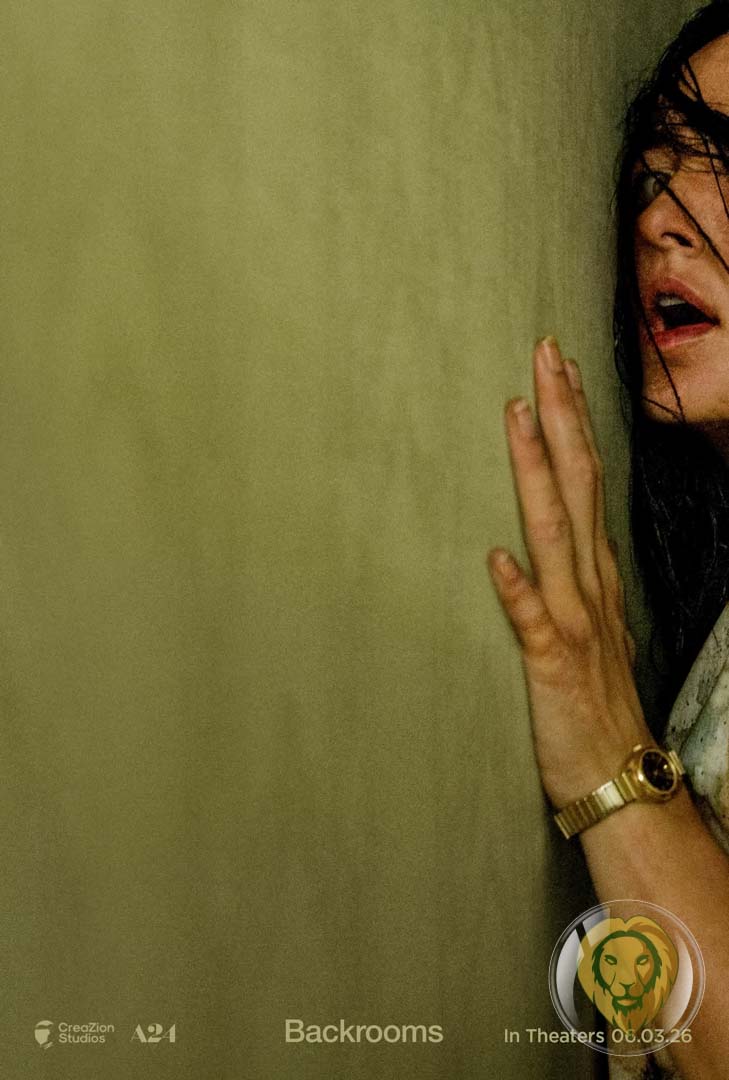
Watching Backrooms feels less like following a traditional narrative and more like falling into a nightmare you cannot wake up from.
The film centers on Clark, whose psychological unraveling becomes increasingly disturbing as he navigates the mysterious Backrooms environment. One of the movie’s smartest decisions is refusing to fully explain whether the horrors surrounding him are supernatural, psychological, or manifestations of collapsing perception itself.
That ambiguity transforms every scene into something deeply unsettling.
The audience is never fully certain what is real anymore.
Even the supporting performances strengthen that uncertainty, particularly Renate Reinsve’s haunting portrayal of therapist Mary. Her scenes ground the story emotionally while simultaneously making viewers question whether Clark is genuinely experiencing impossible horrors or spiraling deeper into delusion.
Visually, the film is stunning in the most uncomfortable way possible.
Kane Parsons turns ordinary spaces into nightmares simply through composition, lighting, and sound. Empty rooms become threatening. Silence becomes oppressive. Identical hallways feel endless. The sterile fluorescent glow creates an atmosphere so suffocating that even moments without direct scares feel emotionally exhausting.
And perhaps that is why the immersive launch at Shangri-La Plaza worked so effectively.
It captured the exact emotional experience the movie is trying to create.
This was not simply a promotional setup designed for quick photo opportunities. It genuinely felt like an extension of the film’s universe—a physical manifestation of the paranoia, isolation, and disorientation that define Backrooms.
Even outside the attraction itself, the conversations among guests reflected how deeply the concept resonates with modern audiences. Many discussed how liminal horror feels uniquely relevant today, especially in an era shaped by digital isolation, endless scrolling, empty office spaces, abandoned malls, and environments that increasingly feel detached from reality.
Backrooms taps directly into that anxiety.
It turns ordinary spaces into existential nightmares.
And based on the early reactions surrounding both the movie and the immersive event, it is easy to understand why audiences worldwide have become obsessed with the franchise.
The film reportedly ends without offering complete answers, leaving major mysteries unresolved while hinting at deeper layers still waiting to be explored. For some viewers, that ambiguity may feel frustrating. But for horror fans who appreciate atmospheric storytelling, the unanswered questions become part of the terror itself.
The unknown is what gives Backrooms its power.
As the Philippine release approaches on June 3, the excitement surrounding the film continues to intensify—especially after the immersive launch proved just how terrifying this world can feel when experienced physically.
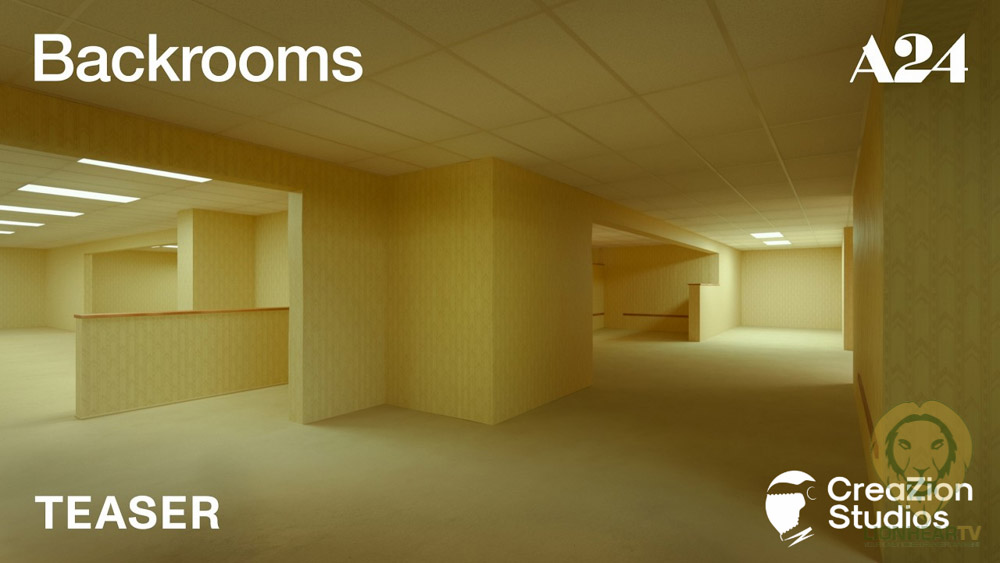
Because once you step inside the Backrooms, even briefly, the fear does not immediately disappear when you leave.
The endless hallways stay in your mind.
The fluorescent buzzing still echoes in your ears.
And for a moment, every ordinary empty corridor suddenly feels like somewhere you were never supposed to find. (with reports from Loyd Pino)