

The special screening of Muro-Ami at SM North EDSA became a deeply reflective cinema experience, drawing media guests, creators, and film enthusiasts into a renewed viewing of one of Philippine cinema’s most socially significant films.
More than a routine screening event, the gathering served as both a nostalgic return and a reminder of the film’s enduring relevance in portraying the harsh realities of child labor and exploitation in the fishing industry.
The day began long before the screening itself, with a journey that underscored the anticipation and commitment surrounding the event. Traveling from Landayan, San Pedro, Laguna, the trip to Quezon City required careful planning and multiple transport transitions. Initial instructions suggested a jeepney ride to Alabang, followed by a bus bound for SM North EDSA. With a strict 1 PM call time and unfamiliarity with the venue, the commute carried a growing sense of urgency and uncertainty.
As the journey progressed, the complexity of navigating multiple routes added pressure, prompting a last-minute decision to book a ride via the Move It app from Starmall Alabang directly to SM North EDSA. This adjustment ultimately ensured timely arrival, highlighting the unpredictable realities of field coverage and event attendance in a metropolitan setting where timing is critical.
Upon arrival at SM North EDSA, the atmosphere shifted from travel tension to professional engagement. Media personnel, content creators, and guests were already gathering, preparing for the arrival of the cast and the formal screening program. The venue reflected the structured energy of a press event—cameras being positioned, coverage plans being finalized, and teams coordinating interviews.
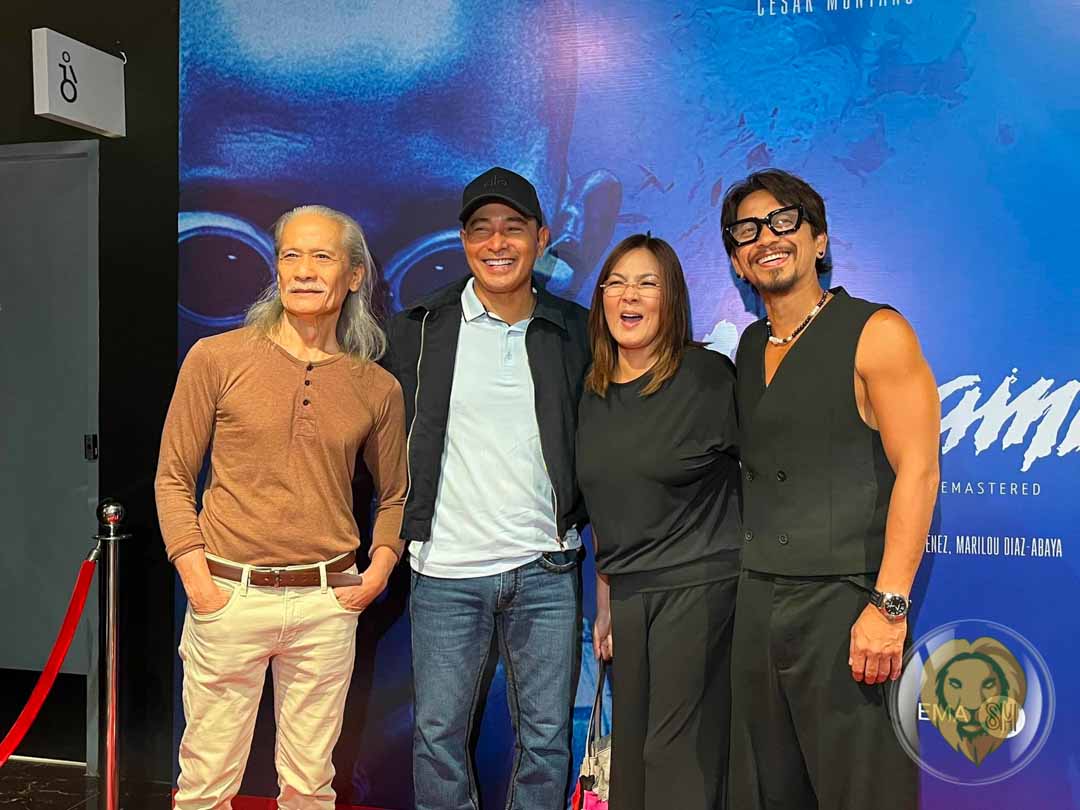
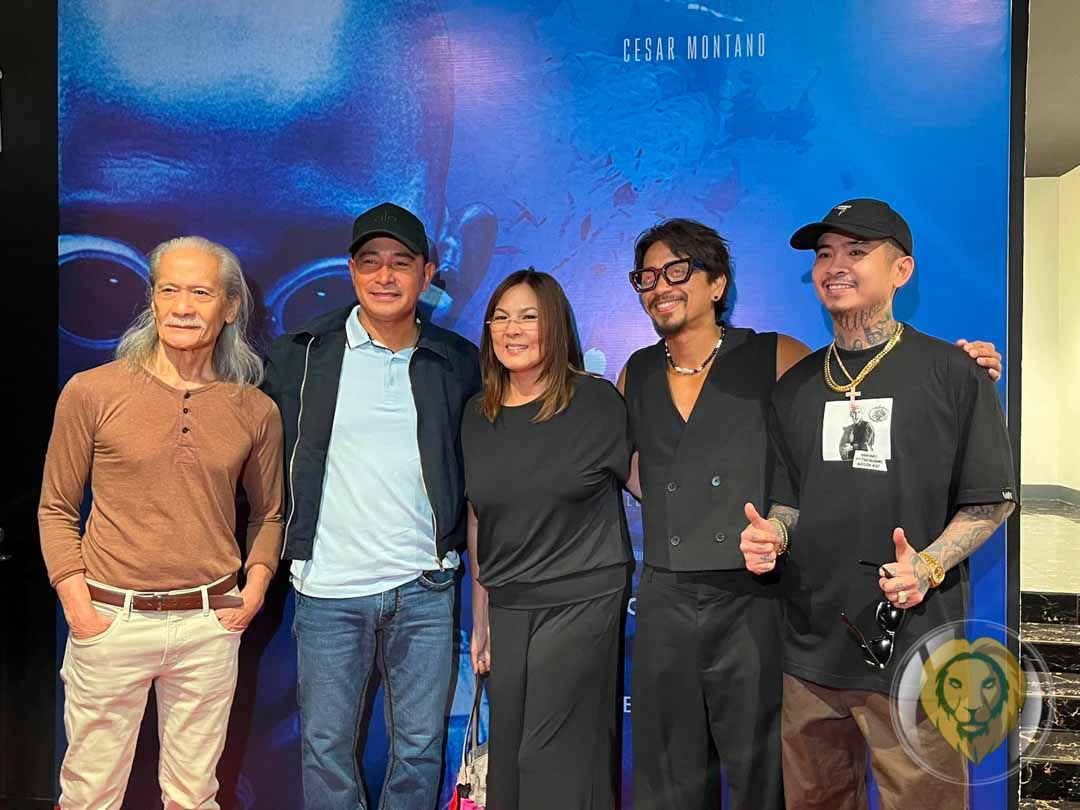
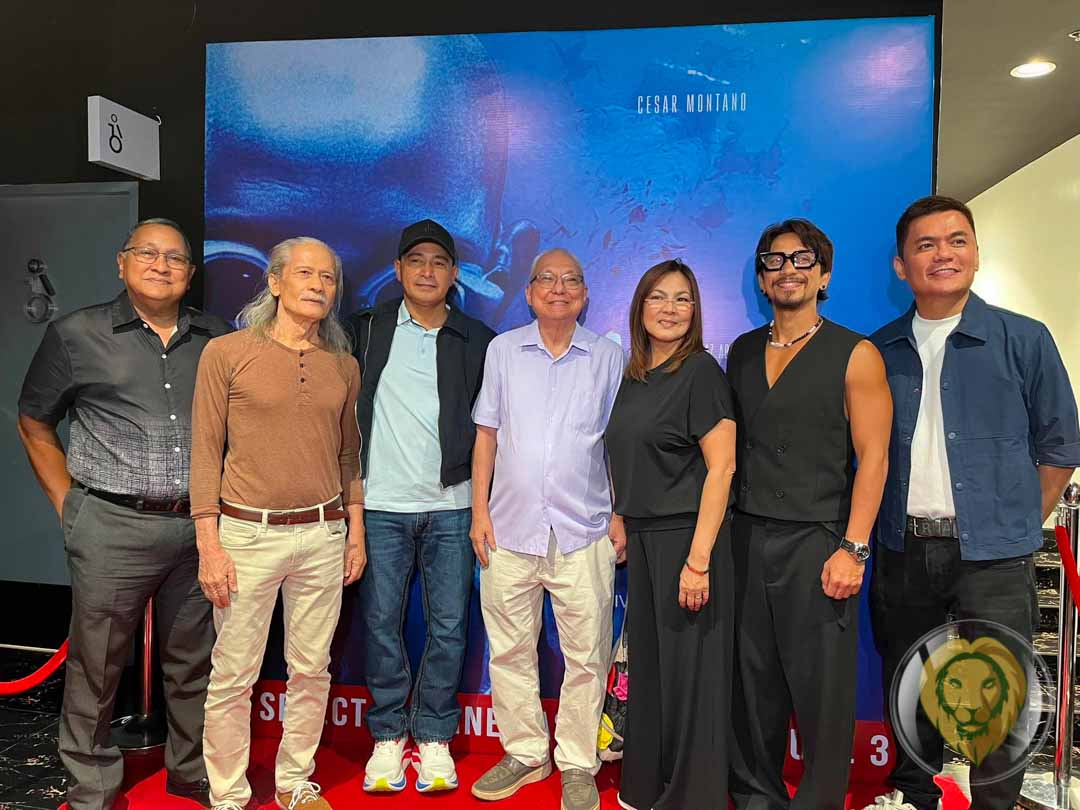
Support from fellow coordinators helped streamline the flow of activities. Guidance on event procedures allowed for smoother participation in coverage tasks, particularly as the arrival of the film’s cast drew immediate attention from attendees. As actors from Muro-Ami entered the venue, the environment quickly transformed into a focused media space, with photographers and videographers capturing the moment while guests observed the nostalgic significance of the gathering.
At the center of the event, however, remained the film itself.
Originally released in 1999, Muro-Ami stands as one of the most emotionally charged and socially critical films in Philippine cinema. Directed by Marilou Diaz-Abaya, the film is widely recognized for exposing the brutal realities faced by child divers forced into dangerous labor in illegal fishing operations. Its narrative does not rely on fictional exaggeration; instead, it draws strength from its grounded and unflinching portrayal of systemic exploitation.
Even during the special screening, the impact of the film remained immediate and difficult to ignore. As the story unfolded on the big screen, audiences were once again confronted with the physical and emotional suffering endured by the young divers. Scenes depicting underwater labor under dangerous conditions continued to evoke discomfort and reflection, reinforcing the film’s central message about the cost of survival in marginalized communities.
What makes Muro-Ami particularly powerful, even decades after its release, is its refusal to soften reality. The film consistently highlights how poverty and lack of opportunity push vulnerable children into life-threatening work while exposing the broader systems that allow such exploitation to persist. This realism remains the core of its emotional weight, making it just as relevant to contemporary audiences as it was upon its original release.
The screening experience allowed viewers to revisit not just the story but the broader social issues it represents. Instead of functioning purely as entertainment, the film served as a cinematic reminder of real-world conditions that continue to demand attention. The quiet, attentive atmosphere inside the cinema reflected how deeply the narrative continues to resonate with audiences familiar with its historical and cultural significance.
Following the screening, the program transitioned into media interactions with the cast and writers. Discussions focused on the film’s production, its social themes, and its lasting impact on Philippine cinema. These conversations provided additional context, reinforcing how Muro-Ami was created not only as a film but also as a statement on environmental and social exploitation.
Amid the formal interviews, a lighter interactive segment was introduced, offering a brief contrast to the film’s heavy themes. The “Guess the Celebrity Challenge” engaged the cast in a playful activity that revealed their personalities beyond the serious roles they portrayed. Despite the gravity of the film’s subject matter, the actors participated with enthusiasm, creating moments of laughter that balanced the emotional weight of the screening.
The shift from intense cinematic experience to lighthearted interaction highlighted the dual nature of film events—where art, advocacy, and human connection coexist in the same space. It also demonstrated the accessibility of the cast, who engaged comfortably with both media and creative activities.
As the event concluded, attendees gradually dispersed, exchanging materials and wrapping up coverage responsibilities. The transition from structured media engagement to personal departure mirrored the full arc of the day—from anticipation to emotional reflection to professional fulfillment.
Ultimately, the Muro-Ami screening at SM North EDSA reaffirmed the film’s place in Philippine cinematic history. More than two decades after its release, it continues to provoke thought, evoke emotion, and challenge audiences to confront uncomfortable truths. The event did not merely revisit a film—it reintroduced a powerful social narrative that remains deeply relevant in understanding labor exploitation, inequality, and resilience in Philippine society today. (with reports from Jorielene Polinar)