
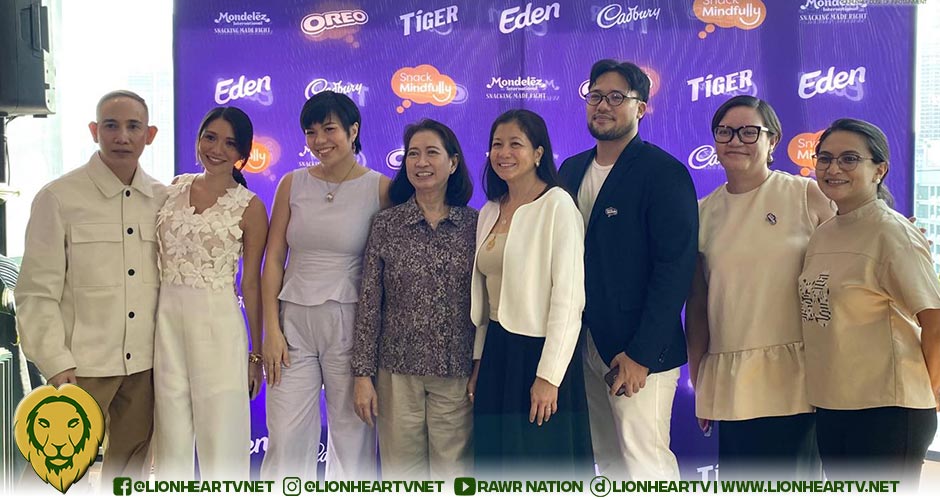

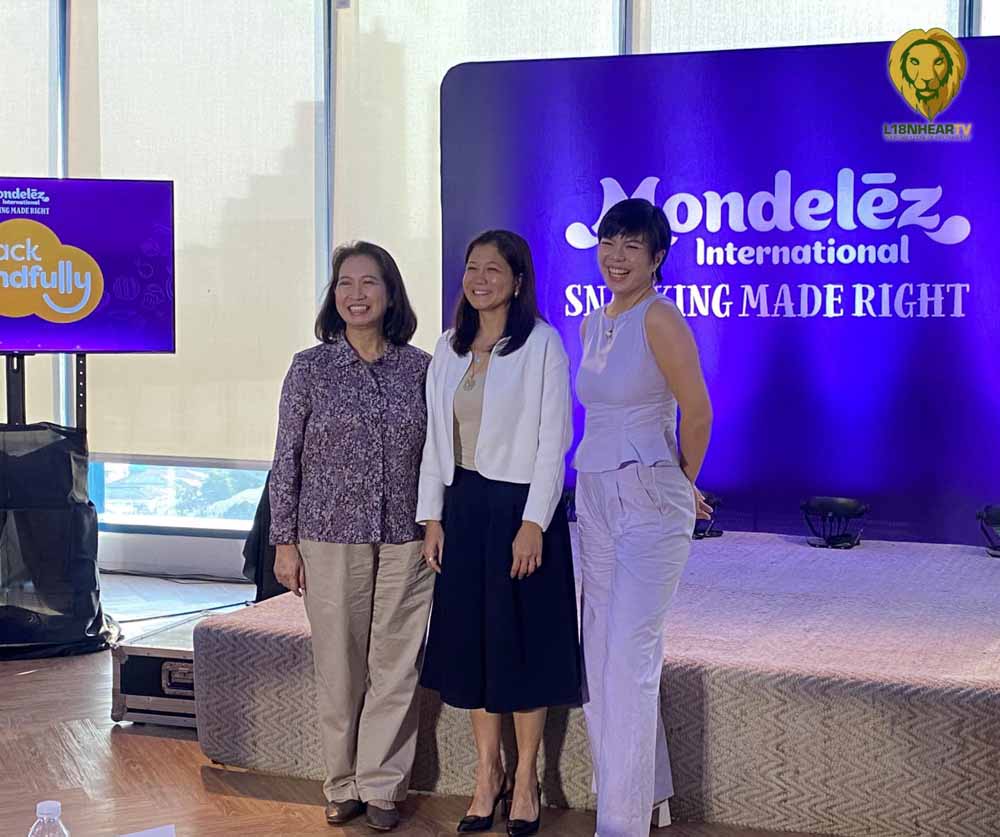
At Mondelez Philippines’ #SnackNaSwak event held on April 23, at Common Ground, Rockwell, the spotlight was not only on conversations around wellness but also on how the company’s products can be part of a more balanced and intentional way of eating. Through product experiences, nutrition education, and interactive activities, the event told a bigger story about how snacking can evolve from a guilty habit into a thoughtful everyday choice.
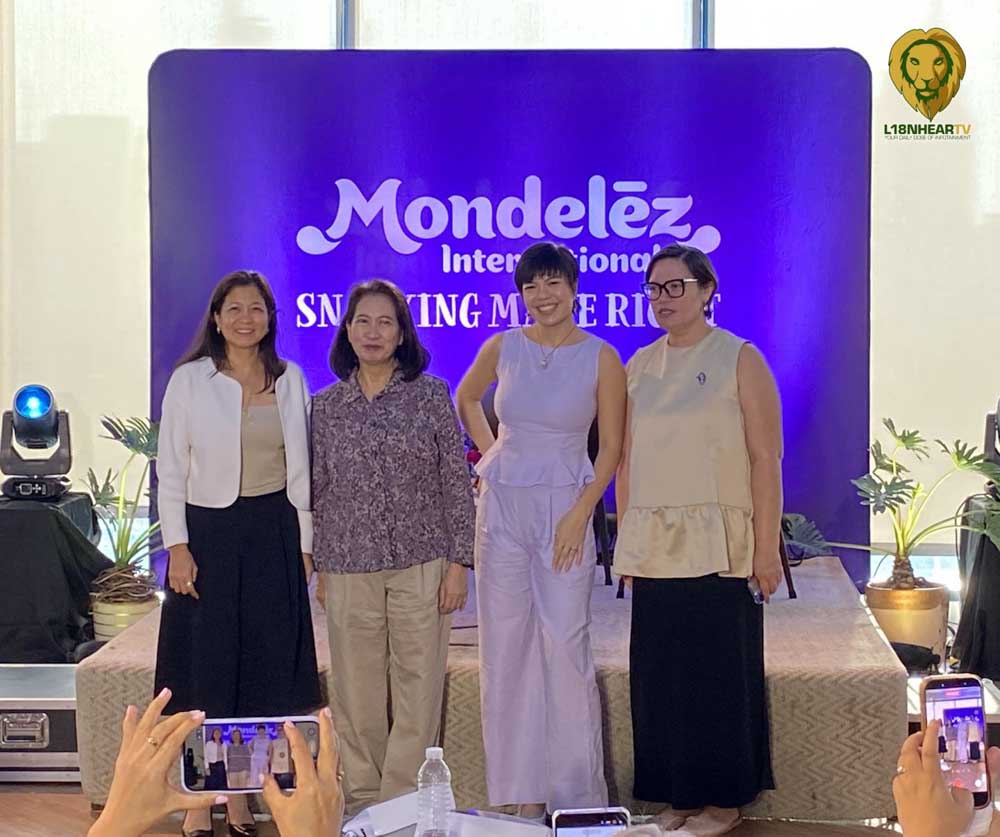
At the heart of the event was Mondelez’s “Snacking Made Right” advocacy, a global platform that repositions snacking not as something to avoid but as something that can fit responsibly into modern lifestyles when approached with awareness and moderation.
And that philosophy was reflected through the products themselves.
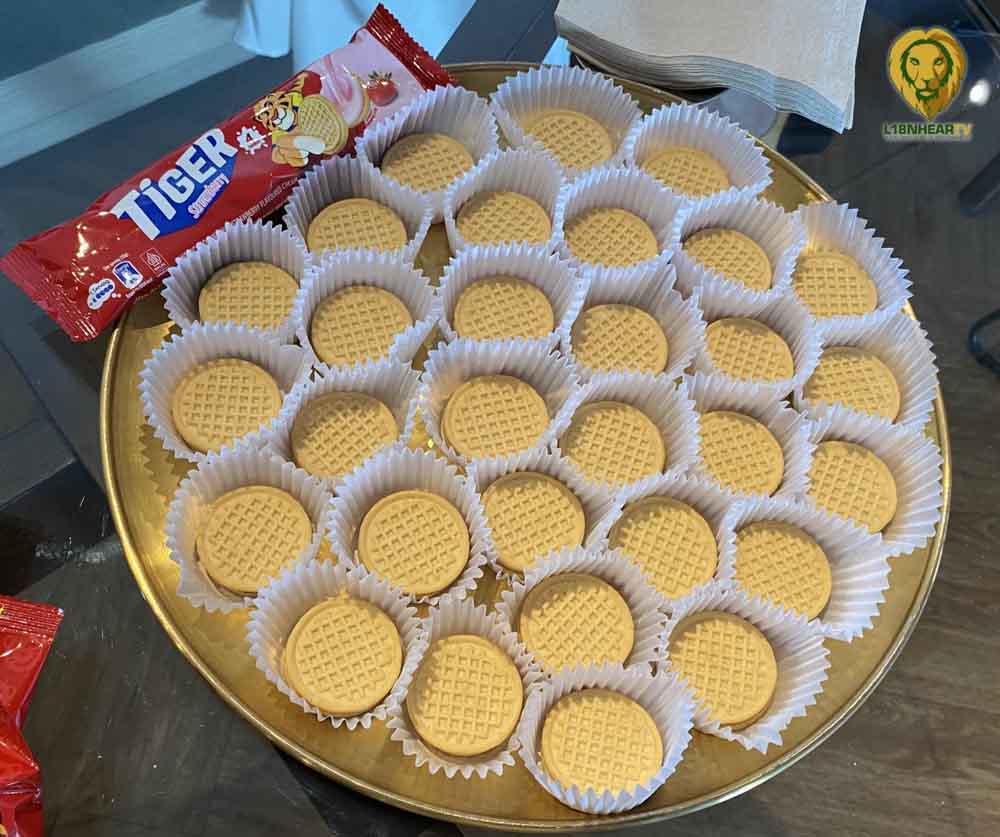
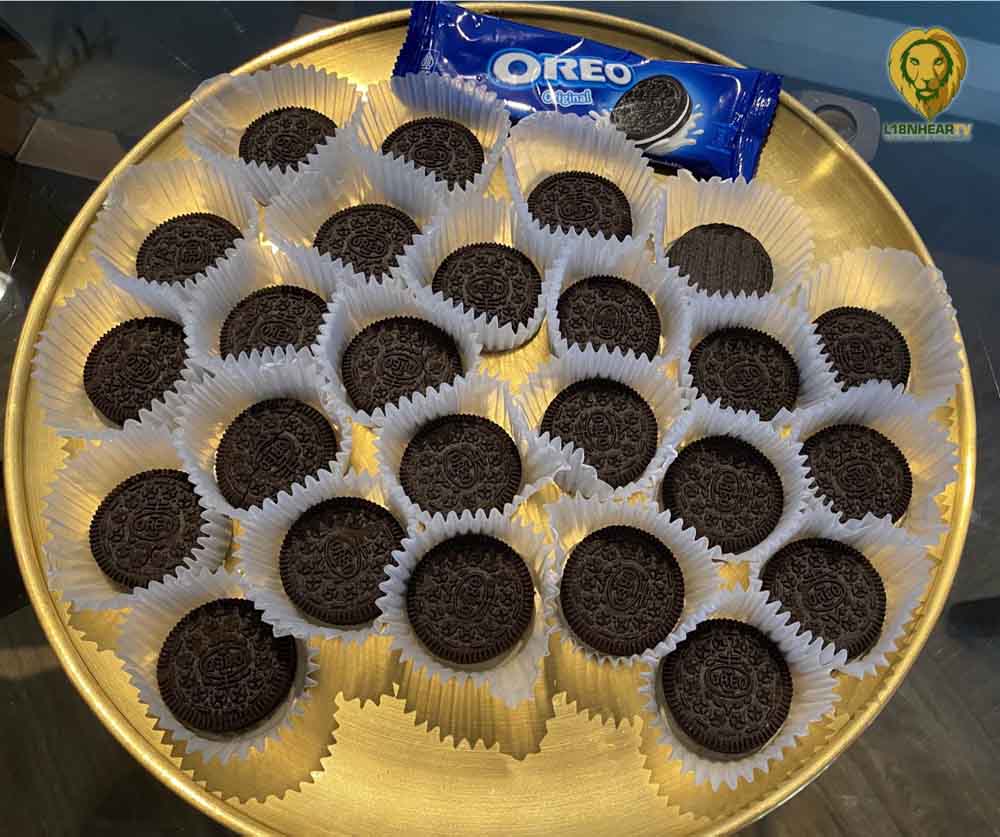
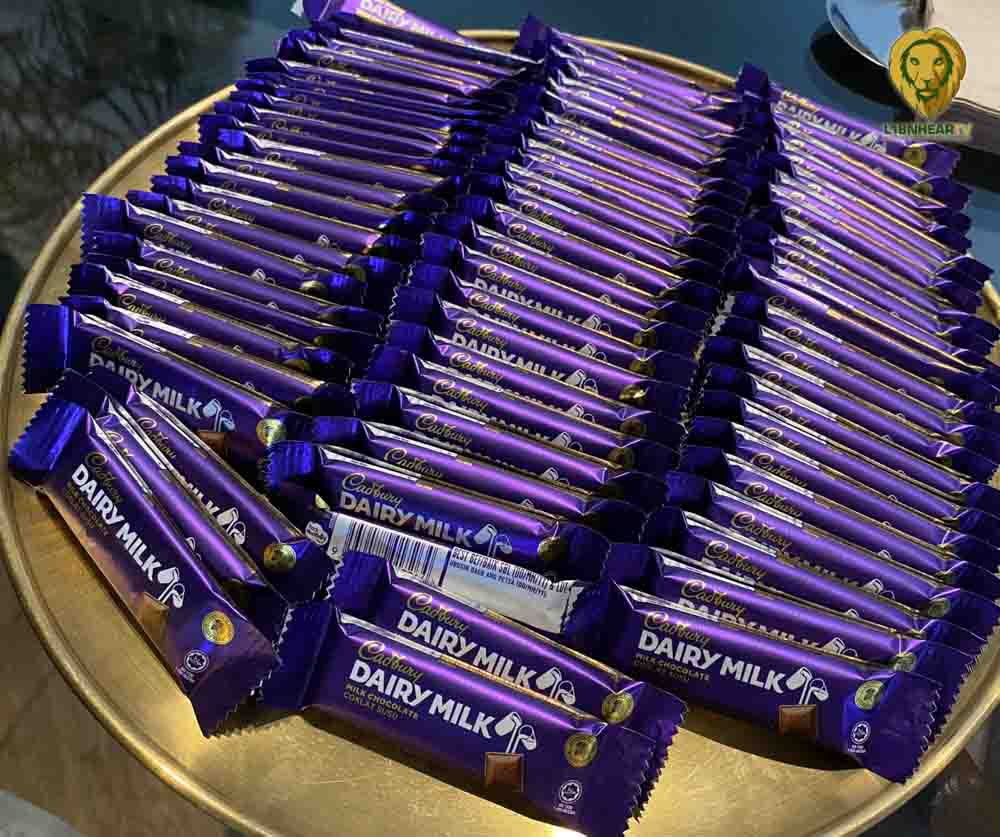
Rather than treating snacks as indulgences to apologize for, Mondelez presented its portfolio as part of a conversation about portion, enjoyment, and informed choice. Guests were welcomed with curated samples of Mondelez’s snack favorites, giving participants an immediate taste of how the company sees its products—not simply as treats but as products that can be enjoyed mindfully.
That distinction shaped the entire experience.
Because this was not a launch centered on introducing a single new product.
It was about redefining how existing products are understood.
The focus was on helping consumers see familiar snacks through a different lens—not as “cheat food.”
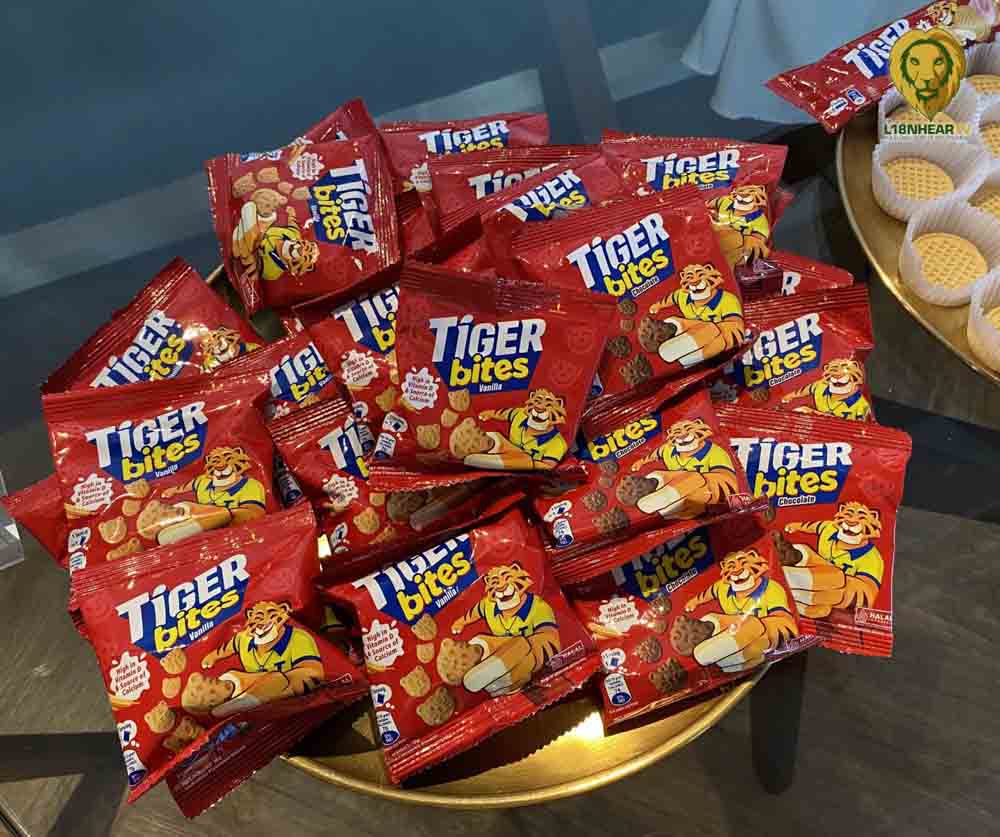
Throughout the program, product education was closely tied to nutrition literacy. Discussions highlighted how reading packaging and understanding nutrition labels, serving sizes, and portions can empower consumers to make smarter choices while still enjoying the snacks they love.
Labels were framed not as complicated information consumers often ignore, but as tools built into the product experience—guides that help people understand portions, calories, and ingredients practically.
The conversation moved beyond simply selling products.
It centered on teaching people how to engage with them better.
This educational approach aligned naturally with Mondelez’s broader positioning of its snack portfolio as products designed not for restriction but for responsible enjoyment.
And that message came alive most clearly during one of the event’s interactive highlights: a portion-building activity where participants created snack combinations using Mondelez products while staying within a 250-calorie range.
Participants explored how favorite snacks can be mixed, portioned, and enjoyed thoughtfully without losing satisfaction.
And that practical experience reinforced a key product story—mindful snacking is not about giving up what people enjoy. It is about making products work within everyday goals.
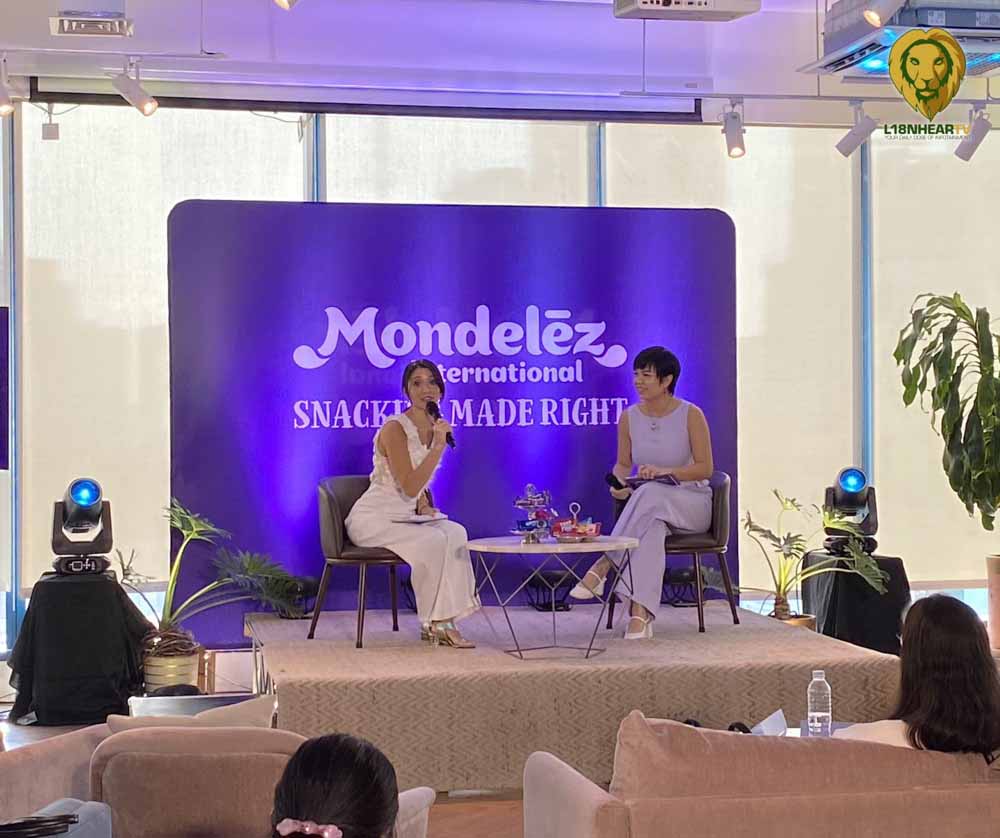
That idea was echoed in discussions led by wellness advocate Jo Sebastian, who encouraged guests to move away from labeling foods as “good” or “bad” and instead understand cravings and food choices with more curiosity and less guilt.
That perspective supported what Mondelez seemed intent on showing through its products.
That snacks can be associated with nourishment, pleasure, and mindfulness at the same time.
Products were not there merely to be tasted. They were there to illustrate portion awareness, intentional eating, and the idea that enjoyment can live alongside wellness.
That subtle integration gave the event a stronger sense of purpose.
It positioned Mondelez products not only as market staples but also as part of a broader service to consumers—helping support healthier relationships with food through information, accessibility, and everyday practicality.
And that is where the “services” side of the story became more visible.
Beyond products, the event highlighted Mondelez’s role in consumer education, using advocacy-driven programming to support better food choices.
From nutrition literacy discussions to experiential learning activities, the company framed its service not just in what it sells but in how it helps consumers engage with those products more consciously.
That broader approach felt significant.
It suggested a brand investing not only in snacks but also in the habits surrounding them.
And that gave Snack Na Swak greater depth than a conventional brand event.
It became a platform where product, education, and wellness messaging met.
By the close of the gathering, what stood out was how intentionally Mondelez linked product enjoyment with personal agency. Its message was not about replacing familiar snacks with something restrictive nor about making wellness feel punitive.
It was about showing that beloved snack products can still belong in balanced lifestyles when approached with awareness.
Through Snack Na Swak, Mondelez told a clear story about its products—they are made to be enjoyed, designed to fit everyday life, and, when paired with informed choices, capable of being part of mindful living rather than separate from it. (with reports from Lynus Fernandez)
