
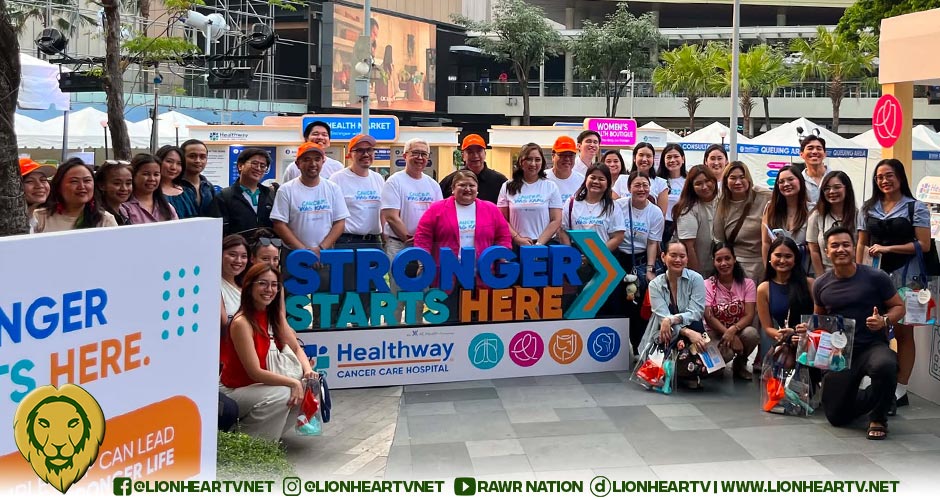
A quiet but deeply purposeful gathering unfolded in Bonifacio Global City as Healthway Cancer Care Hospital introduced “The Stronger Life Community,” a movement that reframes cancer care beyond hospital walls and into a shared space of awareness, empathy, and everyday support.
The day began in an intimate media briefing at Lorenzo’s Way, where the atmosphere felt less like a formal presentation and more like a conversation anchored on lived experiences and collective responsibility. Between discussions, what stood out was the consistent emphasis on connection—how patients, survivors, caregivers, and even the wider public all play a role in shaping a stronger, more compassionate ecosystem of care.
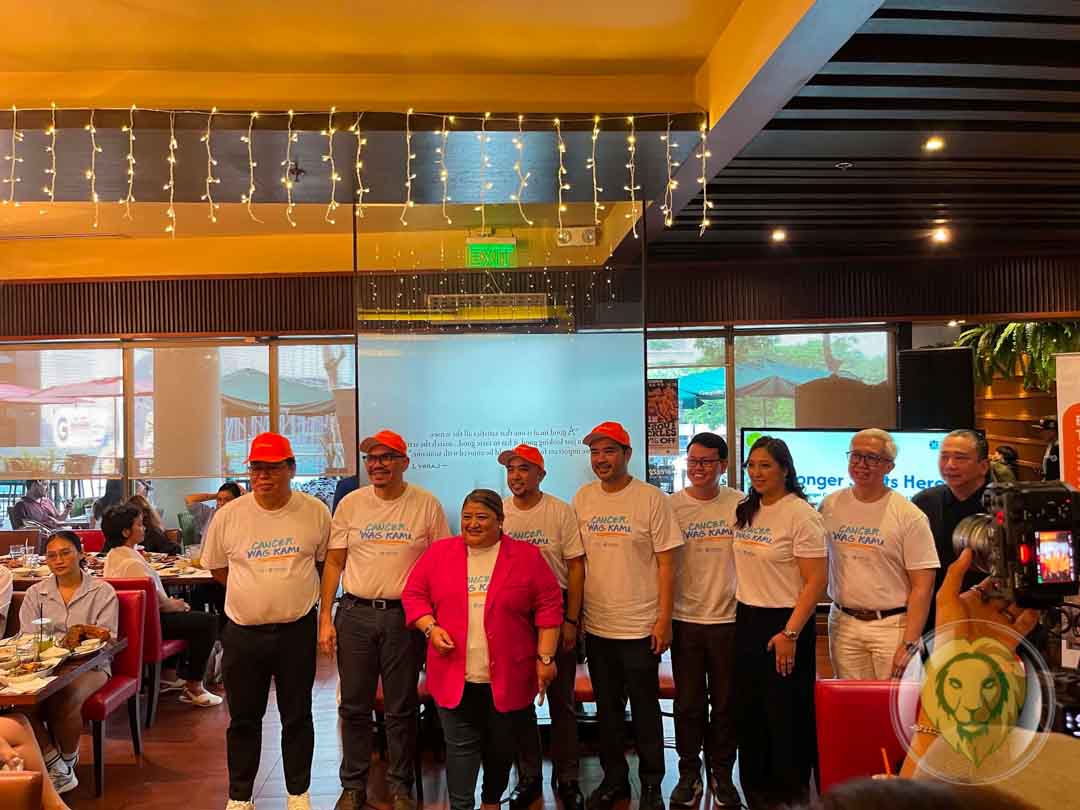
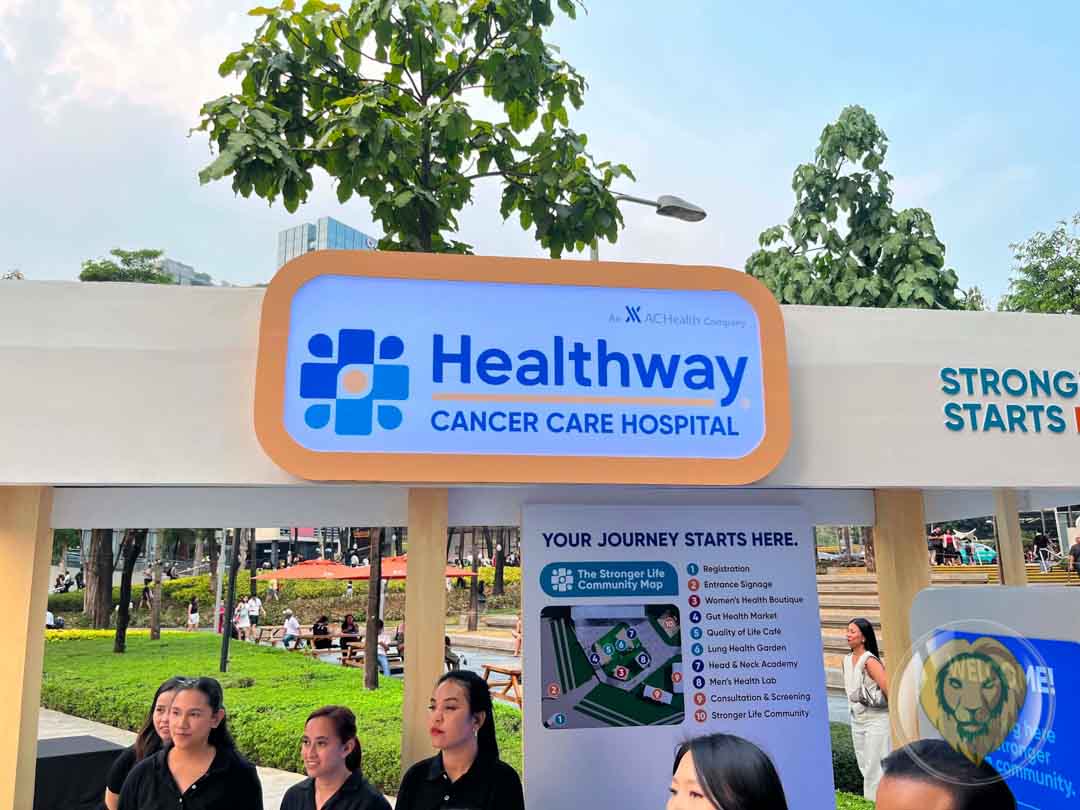
As the program progressed, attention shifted toward the BGC Amphitheater, where the public activation was being prepared for opening. The setup itself reflected the initiative’s intent: open, accessible, and designed for interaction rather than observation alone. Installations and activity spaces were arranged in a way that invited people to move through stories, information points, and engagement areas that translate medical awareness into something more personal and understandable. The upcoming public launch wasn’t meant to be a passive exhibit; it was designed to encourage participation and reflection.
What anchored the entire initiative was the idea that cancer care does not begin and end in treatment rooms. Through Healthway Cancer Care Hospital’s “The Stronger Life Community,” the message was made clear: no one should face illness in isolation, and strength is often built through shared understanding as much as clinical care. The concept extends outward into community spaces, where awareness and support become accessible even to those who are simply passing through.
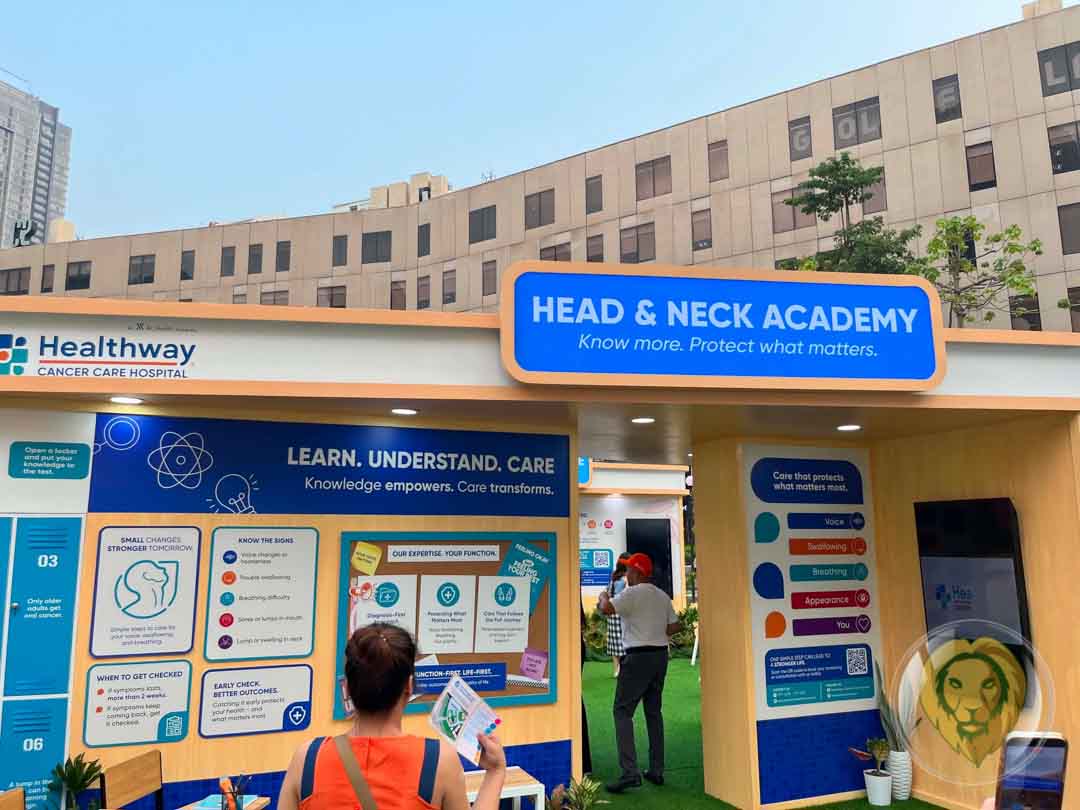
The activation at BGC Amphitheater, opening to the public across the weekend, carries this vision into a more tangible setting. Visitors are invited to engage with installations and activities designed to educate while also humanizing the journey of patients and families. Rather than presenting information clinically or distantly, the experience leans into storytelling and interaction, allowing people to better grasp the emotional and social dimensions of cancer care.
By the time the media preview concluded, what lingered was not just the details of the launch but the intent behind it: to create a space where awareness becomes action and where community becomes part of the healing process.
In a busy urban district often defined by movement and speed, the initiative offered a brief but meaningful pause—one that centered on connection, understanding, and the idea that a stronger life is built together. (with reports from Benedick Marasigan)