


A sense of optimism filled the grounds of Caritas Manila in Paco, Manila, as religious leaders, business executives, development partners, and members of the media gathered for what could become a landmark moment in Philippine construction history.

On a site that will soon house a pioneering structure, Caritas Manila and Japan-based Onocom Group formally broke ground for what is being recognized as the country’s first-ever 3D-printed building—a project that combines cutting-edge construction technology with a mission centered on community service and humanitarian work.
Unlike traditional project launches that often focus on commercial developments or large-scale infrastructure, this ceremony carried a distinctly different atmosphere. The event was not merely about introducing a new building method; it was about demonstrating how innovation can be used to create meaningful impact for communities that need it most.

As guests arrived at the Caritas Manila headquarters, conversations quickly centered on the technology behind the project. For many attendees, this was their first opportunity to learn about large-scale 3D concrete printing, a construction process that uses automated equipment to create structures layer by layer based on digital designs.
While the technology has already gained traction in several countries around the world, its introduction to the Philippines marks a significant milestone for the local construction industry.
Representatives from Onocom Group and its Philippine partners explained how 3D printing technology can potentially transform the way buildings are constructed by improving efficiency, reducing material waste, shortening construction timelines, and increasing precision throughout the building process.

Yet despite the futuristic nature of the technology being discussed, the event remained firmly grounded in its humanitarian purpose.
The structure being built is not intended to serve as a showroom or demonstration facility. Instead, it will become a multi-purpose building that will support the ongoing programs and initiatives of Caritas Manila, one of the country’s leading faith-based organizations dedicated to poverty alleviation, disaster response, education, and livelihood development.
That purpose resonated strongly throughout the ceremony.
Guests were reminded that the future facility will provide space for community programs, training activities, emergency response operations, and other initiatives that directly benefit individuals and families facing difficult circumstances.
By pairing a groundbreaking technology with a humanitarian mission, the project sends a powerful message about how innovation can be used not only to advance industries but also to strengthen communities.
A notable presence during the event was Tatsuro Ono, Representative Director, Chairman, and Chief Executive Officer of Onocom Co., Ltd.
His participation underscored the significance of the collaboration and highlighted Onocom’s commitment to introducing advanced construction solutions that go beyond commercial applications. Rather than limiting the technology to experimental projects, the company is demonstrating how modern construction methods can support social development and public service initiatives.
One of the most memorable moments of the morning occurred before the ceremonial groundbreaking itself.
As attendees gathered around the future construction site, a priest from Caritas Manila led a blessing ceremony, offering prayers for the project’s success and for the communities that will eventually benefit from the facility.
The blessing created a striking contrast between tradition and innovation.
Moments earlier, discussions had focused on digital construction systems, automated printing technologies, and the future of building design. During the blessing, however, attention shifted toward faith, service, and community—values that have long guided Caritas Manila’s work.
The juxtaposition served as a powerful reminder that while technology continues to evolve, the ultimate purpose behind many innovations remains deeply human.
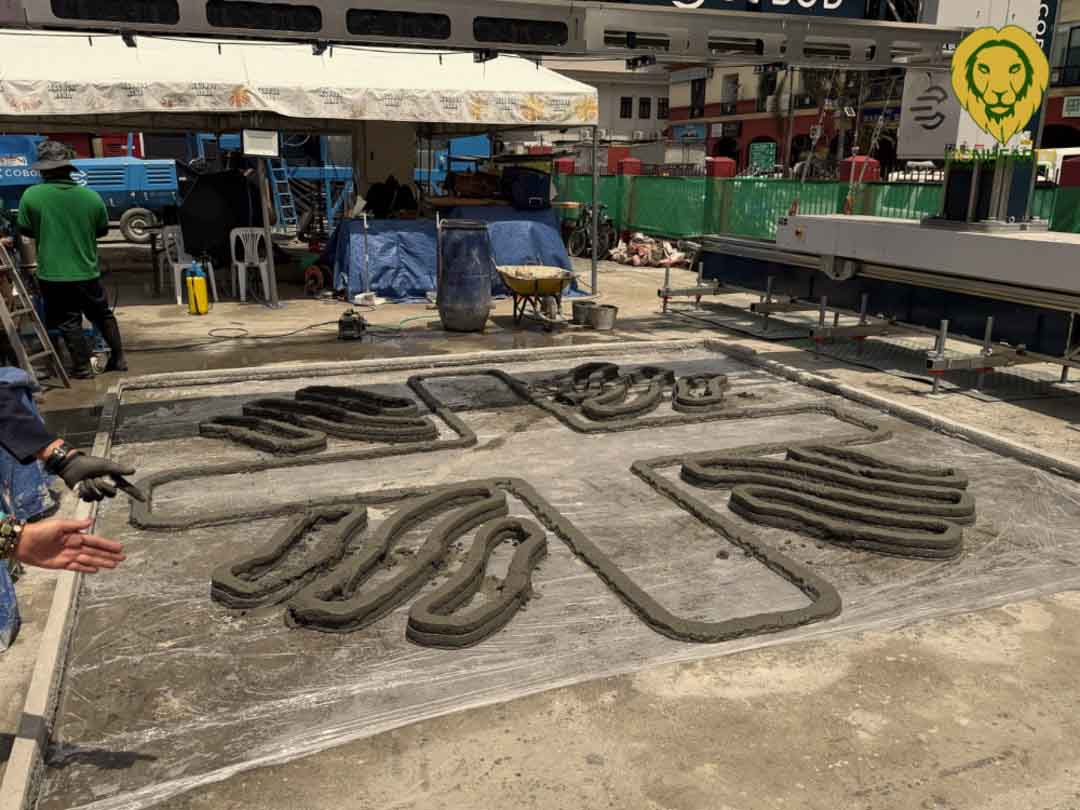
Following the blessing, representatives from Caritas Manila, Onocom Group, and partner organizations participated in the ceremonial turning of soil, officially signaling the beginning of construction.
As cameras flashed and guests looked on, the symbolic act marked more than the start of a building project. It represented the beginning of a new conversation about what the future of construction in the Philippines could look like.
For decades, conventional construction methods have dominated the local industry. The introduction of 3D-printed construction opens the possibility of alternative approaches that may help address future challenges related to infrastructure development, disaster resilience, and resource efficiency.

Many attendees left the event with the sense that they had witnessed something far larger than a groundbreaking ceremony.
The project embodies a rare convergence of technology, social responsibility, and international collaboration. It demonstrates how innovation can move beyond laboratories and exhibitions to address real-world needs in practical and meaningful ways.
As construction begins in the coming months, the building will gradually rise layer by layer through a process that remains unfamiliar to many Filipinos. Yet the significance of the project extends beyond the structure itself.
For Caritas Manila, it represents another opportunity to expand its mission of service.
For Onocom Group and its Philippine partners, it serves as a pioneering demonstration of what modern construction technology can achieve.
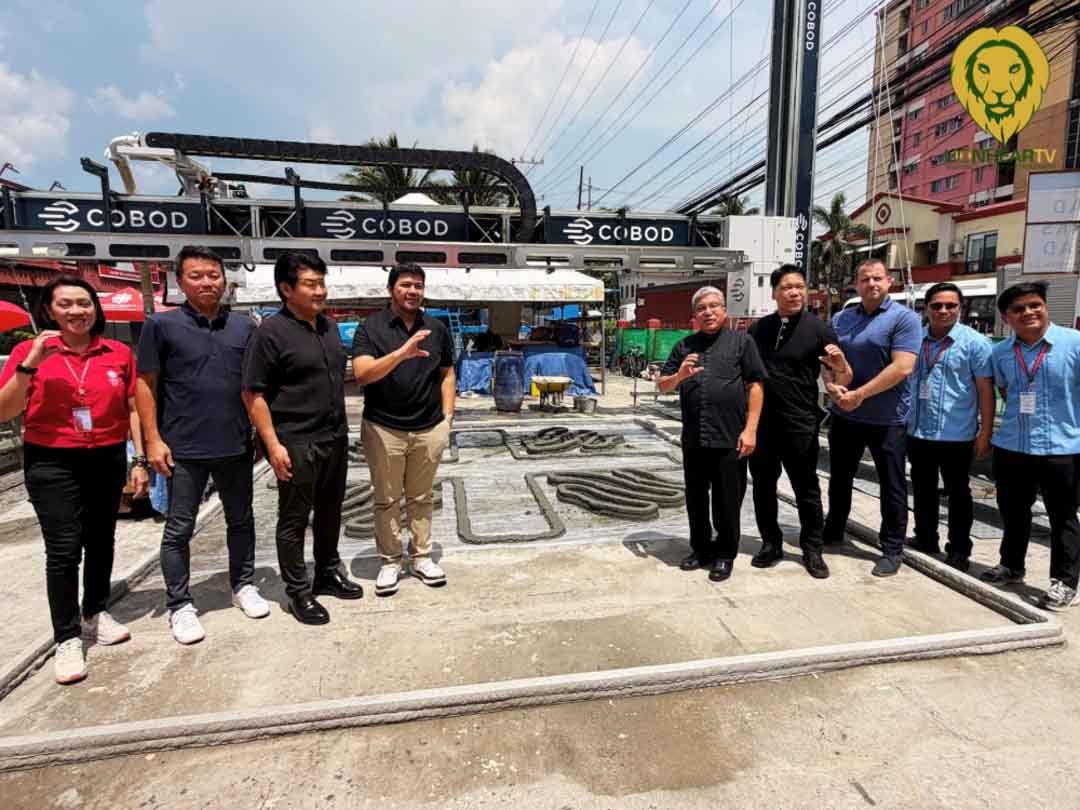
And for the Philippines, it marks an important step toward exploring new possibilities in building design, efficiency, and community-centered development. (with reports from Elle Grengia)
